Love this? Save it for later!
Share the inspiration with your friends
“I wasn’t planning on becoming a peach ripening expert that Tuesday afternoon,” I admit, as I stared down a basket of rock hard peaches that I’d impulsively picked up at the farmer’s market. You know that feeling when you get home excited for juicy, sweet peaches but instead end up with fruit that could double as a baseball? Yeah, that was me. I’d planned a peach cobbler that evening, but those peaches had other ideas—hard as little stones and as unyielding as my stubborn old cast iron skillet.
Honestly, I almost tossed them out. Then my neighbor, Mr. Jenkins—the guy who usually talks about his vintage car collection—casually mentioned a few tricks to speed up peach ripening. So there I was, juggling a cracked mixing bowl, a half-forgotten phone call, and these uncooperative peaches, trying what he suggested. Spoiler alert: it worked, and fast.
Maybe you’ve been there too, standing in your kitchen with a fruit basket that’s more suited for decoration than dessert. These quick tips to ripen rock hard peaches fast aren’t just some guesswork—they come from real-life kitchen scramble moments and a few happy accidents. Stick with me, and soon you’ll be biting into peaches that taste like summer sun, not disappointment.
Why You’ll Love This Recipe
After testing these ripening hacks countless times (and yes, sometimes failing spectacularly), I can confidently say these tips are a lifesaver—especially if you’re new to handling fresh peaches. Here’s why you’ll appreciate them:
- Quick & Easy: Each tip takes minimal effort and can speed up ripening in as little as 24-48 hours, perfect for last-minute dessert plans.
- Simple Ingredients & Tools: You won’t need any fancy gadgets or rare ingredients—just everyday kitchen staples.
- Perfect for Beginners: No confusing steps or complicated science—just practical advice you can trust.
- Crowd-Pleaser: Soft, juicy peaches mean your peach cobbler or salad will get rave reviews from family and friends alike.
- Unbelievably Effective: These methods balance humidity and ethylene exposure, coaxing peaches to ripen naturally without losing flavor.
This isn’t just about softening fruit; it’s about rescuing a moment, turning a potentially wasted purchase into a delicious highlight. I’ve found that placing peaches in a paper bag with a ripe banana or apple is a game-changer, but I’ve got a few other tricks up my sleeve that make the process even smoother. It’s the kind of kitchen wisdom that feels like a secret handshake between peach lovers.
What Ingredients You Will Need
This guide focuses on ripening peaches, so the “ingredients” are really about what you pair with your peaches and the environment you create. Here’s what you’ll want:
- Unripe Peaches: Firm, rock hard to slightly underripe peaches are the starting point. Avoid overly bruised or mushy fruit.
- Ripe Banana or Apple: These fruits emit ethylene gas, a natural ripening agent. I usually keep Chiquita bananas on hand for this purpose since they seem to ripen fruit evenly.
- Paper Bags: Plain, breathable paper bags trap ethylene while preventing moisture buildup. Avoid plastic bags—they trap too much moisture, leading to mold.
- Room Temperature Spot: A warm counter area (around 65-75°F or 18-24°C) works best. For example, my kitchen windowsill facing east is perfect in the mornings.
- Optional: Newspaper or Cloth Towel: To wrap peaches individually if you want to avoid bruising during the ripening process.
Optional: If you have a fruit bowl that encourages airflow, that helps too. Also, some folks swear by placing peaches near a sunny window—but be cautious, as too much direct sun can cook the fruit’s surface unexpectedly.
Substitutions? If you’re out of ripe bananas or apples, try using pears—another ethylene producer. And if you want to experiment, a ripening drawer or dedicated fruit basket can help regulate humidity naturally.
Equipment Needed
- Paper Bags: Essential for trapping ethylene gas while allowing airflow. I keep a stock of these from my local grocery store; they’re cheap and reusable.
- Fruit Bowl or Basket: Preferably one that allows air circulation to avoid moisture buildup.
- Kitchen Scale (Optional): If you want to weigh your peaches for ripening consistency, but honestly, eyeballing firmness works fine.
- Soft Cloth or Towel: For gently wrapping peaches to prevent bruising if you’re stacking them.
For those on a budget, you can substitute paper bags with clean brown lunch bags or even a cardboard box lined with paper towels. Avoid plastic bags unless you poke holes for ventilation.
From my experience, a simple paper bag combined with a ripe banana and a cozy kitchen corner does the trick better than any fancy gadget. No need to complicate things!
Preparation Method
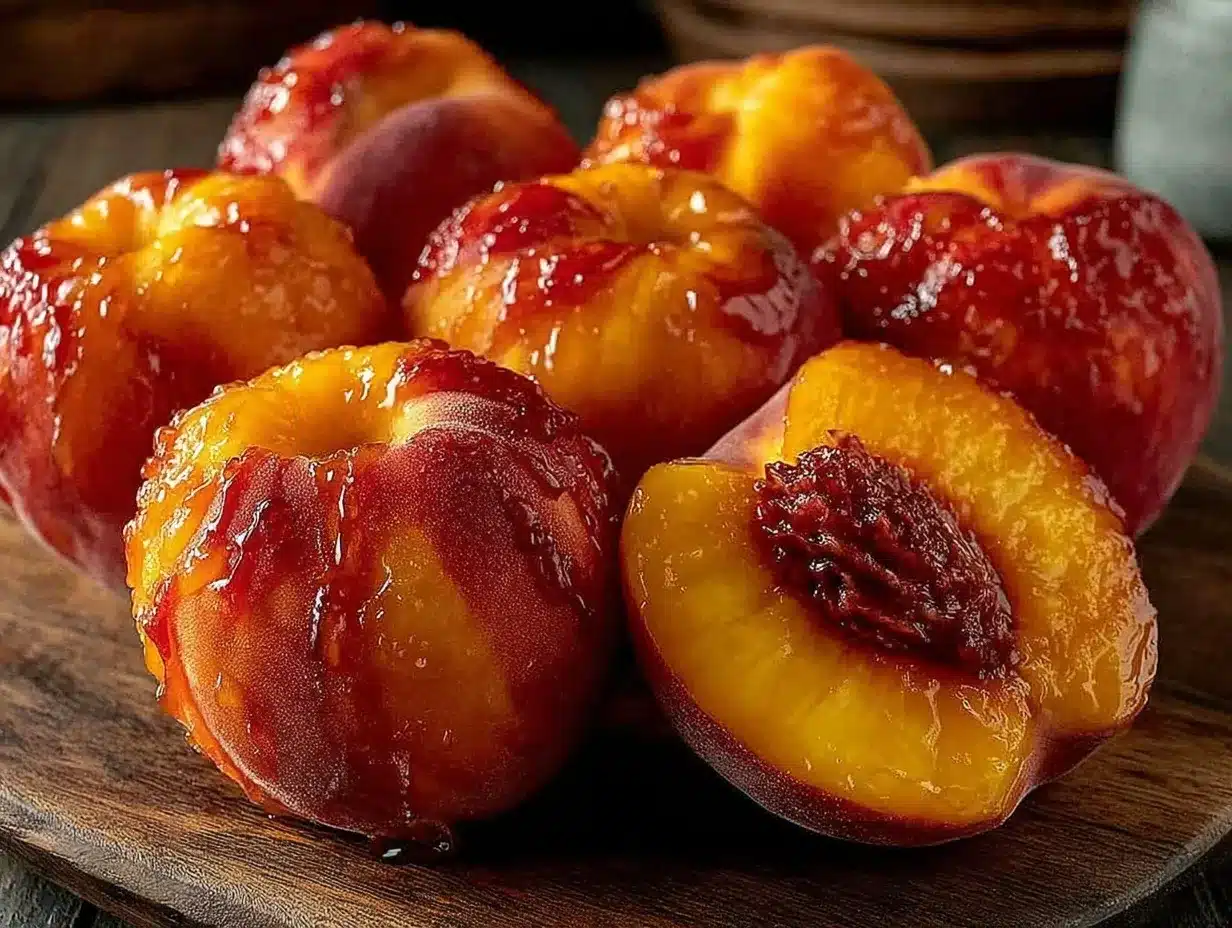
- Inspect Your Peaches: Choose peaches that are firm to the touch but without cuts or bruises. If any peaches are damaged, set them aside to use immediately in cooking.
- Wrap (Optional): If stacking peaches, gently wrap each in a piece of newspaper or a soft cloth to prevent bruising.
- Prepare Your Paper Bag: Place one ripe banana or apple inside the bag. This fruit produces ethylene gas, which helps peaches ripen faster.
- Add Peaches: Place your peaches inside the paper bag, loosely closing it to trap the ethylene but allow some airflow.
- Find a Warm Spot: Put the bag in a warm place at room temperature, ideally between 65-75°F (18-24°C). My kitchen counter near a sunny window works well, but avoid direct sunlight.
- Check Daily: Open the bag once a day to check firmness and remove any peaches that feel ripe or show signs of over-ripening. This also prevents moisture buildup.
- Repeat as Needed: Depending on the initial hardness, peaches typically ripen within 24-48 hours using this method. If they’re still firm after two days, replace the banana or apple with a fresh one.
- Final Touch: Once ripe, move peaches to the fridge if you’re not using them immediately to slow down further ripening.
Pro tip: Don’t crowd your peaches in the bag—give them some breathing room to avoid mushy spots. I learned the hard way when I ignored this and ended up with a batch that was half perfect, half mush.
Cooking Tips & Techniques
When speeding up peach ripening, a few key pointers make all the difference. First, patience is still part of the game—even the fastest trick takes time. I’ve found that peaches ripen unevenly if piled too tightly, so spacing is king.
Avoid refrigerating unripe peaches. Cold slows ripening, which is great once peaches are ready, but a no-go if you want them soft fast. Also, keep an eye on humidity: too much moisture means mold, too little means dry fruit. The paper bag helps balance that, but daily checks help catch any problems early.
One common mistake? Using plastic bags. I once tried that (out of desperation) and ended up with peaches sweating and molding within a day—lesson learned. Also, replacing the ripe fruit every day keeps ethylene levels fresh; a shriveled banana won’t do much.
Multitasking trick: While your peaches ripen, prep other ingredients for your peach dish—like slicing almonds or preheating the oven. That way, when those peaches are perfect, you’re ready to roll without delay.
Variations & Adaptations
If you want to mix things up or tailor these tips to your kitchen, try these variations:
- For Faster Ripening: Place your bagged peaches near a warm appliance, like the top of a refrigerator or near the stove, but not too close to avoid cooking them.
- Humidity Control: In very dry climates, placing a damp paper towel inside the bag (not touching the fruit) can help maintain moisture balance.
- Oven Ripening (Emergency): If you’re desperate, wrap peaches in foil and place them in a 150°F (65°C) oven for 10-15 minutes, checking frequently. This is a trick I only use when I’m short on time, since it changes texture slightly.
- Allergen-Friendly: If you’re sensitive to bananas or apples, try ethylene-producing kiwis or pears instead.
- Personal Favorite: After ripening, I like to briefly chill peaches before slicing for a refreshing summer salad—adds a nice contrast to their sweetness.
Serving & Storage Suggestions
Once your peaches have ripened to that perfect softness, serve them at room temperature for the best flavor and juiciness. Cold peaches dull the aroma and sweetness, so plan to take them out of the fridge about 30 minutes before enjoying.
They’re fantastic sliced over morning oatmeal, mixed into salads, or baked into cobblers and crisps. I often pair them with a splash of fresh lemon juice or a sprinkle of cinnamon to bring out their natural flavor.
To store ripe peaches, keep them in the refrigerator’s crisper drawer for up to 3 days. If you want to keep them longer, slicing and freezing them works well, especially if you add a touch of lemon juice to prevent browning.
When reheating baked peach dishes, warm gently in a 325°F (160°C) oven for 10-15 minutes to revive that fresh-baked feeling without drying them out.
Over time, ripened peaches tend to deepen in flavor, so if you snack on them over a couple of days, you’ll notice a subtle sweetness development that’s delightful.
Nutritional Information & Benefits
Peaches are naturally low in calories—about 60 calories per medium peach (150g)—and packed with vitamins A and C, which support skin health and immunity. They’re also a good source of dietary fiber, aiding digestion.
Using fresh, naturally ripened peaches maximizes their nutrient retention compared to canned or processed versions. Plus, the ethylene gas used in these ripening tips is a natural plant hormone, safe and free from additives.
For those watching sugar intake, peaches have moderate natural sugars but also offer antioxidants that help balance blood sugar levels. They’re gluten-free, dairy-free, and vegan-friendly—great for a variety of diets.
Personally, incorporating ripe peaches into my diet feels like a small, delicious way to add a boost of vitamins and antioxidants without any fuss.
Conclusion
If you’ve ever faced the frustration of rock hard peaches, these quick tips to ripen them fast are your new secret weapon. Whether you’re prepping for a last-minute dessert or craving juicy summer fruit, this method will save the day without stress.
Feel free to tweak the approach based on your kitchen’s quirks—maybe you find your windowsill’s just right or prefer the oven trick on occasion. The key is to enjoy peaches at their best without waiting forever or wasting food.
Honestly, I keep coming back to these tips because they turn a potential kitchen letdown into a sweet success every time. I hope you find the same joy biting into perfectly ripened peaches, and I can’t wait to hear how your peach adventures go!
Got your own ripening tricks or questions? Drop a comment below—I love swapping stories about all things peachy.
Frequently Asked Questions
How long does it usually take to ripen rock hard peaches using these tips?
Typically, peaches ripen within 24 to 48 hours when placed in a paper bag with a ripe banana or apple at room temperature.
Can I ripen peaches in the refrigerator?
It’s best to ripen peaches at room temperature. Refrigeration slows down the ripening process and is best used only after peaches have softened.
Why should I avoid plastic bags for ripening peaches?
Plastic bags trap moisture and can cause peaches to sweat and develop mold quickly. Paper bags allow ethylene gas to concentrate while letting moisture escape.
What if I don’t have ripe bananas or apples to help ripen peaches?
You can use other ethylene-producing fruits like pears or kiwis, or simply ripen peaches on their own, though it might take longer.
Can I speed up ripening by putting peaches in direct sunlight?
Direct sunlight can cause uneven ripening and may cook the peaches’ surface. It’s better to keep them in a warm, shaded spot.
Pin This Recipe!

Rock Hard Peaches Ripen Fast with 5 Easy Quick Tips Perfect for Beginners

Learn quick and easy methods to ripen rock hard peaches fast using simple kitchen staples like paper bags and ripe bananas or apples. Perfect for beginners, these tips help you enjoy juicy, sweet peaches in as little as 24-48 hours.
- Prep Time: 5 minutes
- Cook Time: 24-48 hours (ripening time)
- Total Time: 24-48 hours
- Yield: Varies depending on number of peaches
- Category: Fruit Preparation
- Cuisine: American
Ingredients
- Unripe peaches (firm, rock hard to slightly underripe)
- Ripe banana or apple (for ethylene gas)
- Paper bags (plain, breathable)
- Optional: Newspaper or cloth towel (for wrapping peaches)
- Optional: Pears or kiwis (alternative ethylene producers)
Instructions
- Inspect your peaches and choose firm ones without cuts or bruises. Set aside any damaged peaches for immediate use.
- Optionally, wrap each peach in newspaper or a soft cloth to prevent bruising if stacking.
- Place one ripe banana or apple inside a paper bag to produce ethylene gas.
- Add the peaches inside the paper bag and loosely close it to trap ethylene while allowing airflow.
- Place the bag in a warm spot at room temperature (65-75°F or 18-24°C), avoiding direct sunlight.
- Check the peaches daily for firmness and remove any that are ripe or overripe to prevent moisture buildup.
- If peaches remain firm after 2 days, replace the banana or apple with a fresh one and continue checking.
- Once ripe, move peaches to the refrigerator if not using immediately to slow further ripening.
Notes
Avoid plastic bags as they trap moisture and cause mold. Replace ripe banana or apple daily if peaches take longer to ripen. Do not refrigerate peaches before they are ripe. Give peaches breathing room in the bag to avoid mushy spots. For emergency ripening, wrap peaches in foil and warm in a 150°F (65°C) oven for 10-15 minutes, checking frequently.
Nutrition
- Serving Size: 1 medium peach (abou
- Calories: 60
- Sugar: 13
- Fat: 0.4
- Carbohydrates: 15
- Fiber: 2
- Protein: 1
Keywords: peach ripening, ripen peaches fast, quick peach ripening tips, how to ripen peaches, peach cobbler prep, ethylene gas fruit ripening