Love this? Save it for later!
Share the inspiration with your friends
“I wasn’t expecting much when I grabbed a basket of peaches at the farmers market last Saturday,” I admitted to my friend as we stood by the rustic wooden stall. “But honestly, the moment I bit into that sun-kissed peach, I realized not all peaches are created equal.” You know that feeling when a simple fruit surprises you in the best way? That was me, standing there with juice dripping down my chin and a newfound obsession brewing in my kitchen.
It turns out, the best peach variety for baking versus eating fresh isn’t just a matter of preference—it’s a whole science of texture, sweetness, and juiciness. I mean, I’d always thought a peach was just a peach, whether it was tossed in a salad or tucked into a cobbler. But this summer, after a couple of messy kitchen experiments (including a pie that somehow turned soggy), I learned to tell the difference between a peach that sings on its own and one that shines in the oven.
Maybe you’ve been there too—standing in the produce aisle, wondering if that fuzzy beauty will hold up in your peach crisp or if it’s better off sliced fresh with a sprinkle of cinnamon. Well, let me tell you, this guide on the best peach variety for baking vs eating fresh will save you from those guesswork moments and kitchen mishaps. Plus, it might just make your summer fruit game a little more delicious and a lot less complicated.
Why You’ll Love This Recipe
After countless trials (and a few peach-related disasters), I’ve fine-tuned the way I choose peaches depending on how I plan to enjoy them. This guide isn’t just theory—it’s based on real experiences, taste tests, and a fair share of sticky fingers.
- Quick & Easy: Learn to pick the perfect peach in seconds, no more second-guessing at the market.
- Simple Ingredients: No need for fancy or hard-to-find peaches—just common varieties you can find at your local store or farmer’s market.
- Perfect for Every Occasion: Whether you want a juicy snack or a tender baked treat, you’ll know exactly which peach to grab.
- Crowd-Pleaser: Your peach pies and fresh fruit platters will get rave reviews, guaranteed.
- Unbelievably Delicious: This isn’t just about picking peaches—it’s about unlocking the best flavor and texture for what you’re craving.
This guide stands out because it respects the unique qualities of each peach variety. For baking, it’s all about firmness and a balance of sweetness to avoid turning your dessert mushy. Eating fresh? You want peaches that are juicy, fragrant, and melt in your mouth. I’ve also learned that sometimes a slight imperfection in the peel means a perfectly ripe peach inside (don’t be scared to grab those!). Honestly, this little knowledge nugget changes how you enjoy peaches completely.
What Ingredients You Will Need
This guide focuses on understanding the peach varieties themselves, but here are some basics to keep in mind if you’re baking or snacking fresh:
- Fresh Peaches: Key to this guide. Look for varieties like:
- Freestone Peaches: Great for eating fresh as they separate easily from the pit.
- Clingstone Peaches: Firmer, ideal for baking since they hold their shape.
- Donut Peaches (Saturn Peaches): Flat and sweet, best for fresh eating.
- Yellow Peaches: Classic flavor, versatile for both baking and fresh.
- White Peaches: Sweeter and less acidic, perfect for fresh snacking.
- Optional Baking Ingredients:
- Unsalted butter (for baking richness)
- Granulated sugar or brown sugar (adjust sweetness)
- Ground cinnamon or nutmeg (adds warm spice)
- All-purpose flour (for thickening baked fillings)
- Fresh Eating Add-ons:
- Fresh mint leaves (for garnish)
- Light drizzle of honey or balsamic glaze (adds a flavor twist)
When picking peaches, I recommend seeking out organic or locally grown options if possible for the best flavor and texture. If you’re baking, firmer peaches like clingstone varieties from trusted farms such as Stark Bro’s tend to perform well. And for fresh eating, I go for white peaches from local orchards—they tend to be sweeter and less tart. If you can’t find these, no worries: look for peaches that give just a little when you press the skin gently, signaling ripeness without over-softness.
Equipment Needed
To get the best out of your peaches whether baking or eating fresh, here’s what you’ll want handy:
- Sharp Paring Knife: Essential for peeling or slicing peaches cleanly. A dull blade is a quick way to bruise delicate fruit.
- Cutting Board: A sturdy surface to handle juicy peaches without slipping.
- Baking Dish or Pie Plate: For baking peach desserts. Glass or ceramic works best to heat evenly.
- Mixing Bowls: For tossing peaches with sugar and spices before baking.
- Measuring Cups and Spoons: Accuracy helps keep your baked goods balanced in sweetness and texture.
- Optional – Peeler: Some prefer peeling peaches for baking to avoid skins in the final dish. If you’re sensitive to peach fuzz, this helps a lot.
If you’re on a budget, simple kitchen knives and standard bakeware will do just fine. I’ve made peach cobblers in a basic metal pan and they turned out just as delicious. Just be patient with the peaches when slicing—they get slippery!
Preparation Method
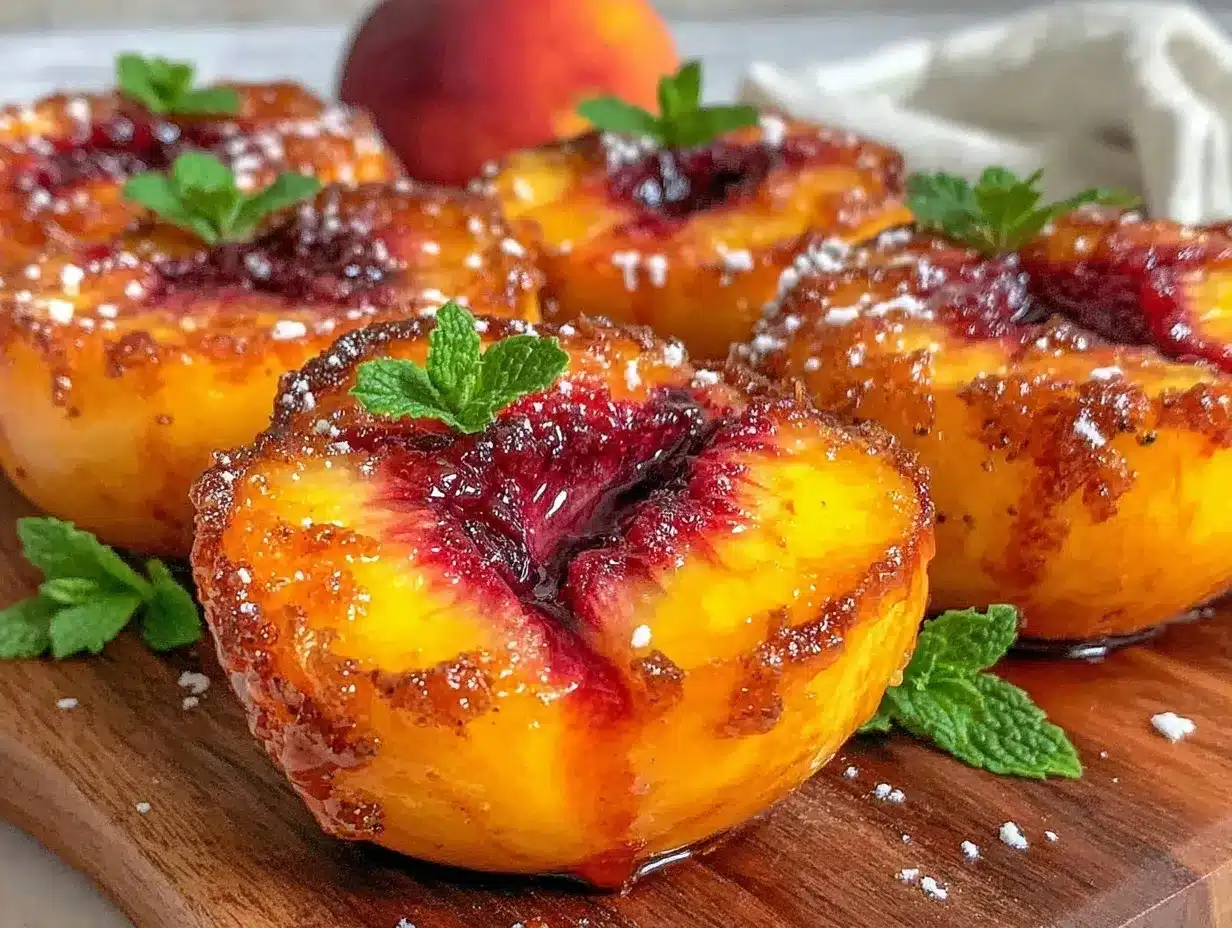
- Select Your Peaches: Choose peaches based on your plan. For fresh eating, pick ones that are slightly soft to the touch and fragrant. For baking, firmer peaches with minimal bruising are best.
- Wash the Peaches: Rinse under cool water to remove any dirt or residue. Gently pat dry with a clean towel.
- Peeling (Optional for Baking): If you prefer a smooth filling, peel your peaches by blanching them in boiling water for 30 seconds and then shocking in ice water. The skins will slip off easily. For fresh eating, I usually leave the skin on to keep the texture.
- Slice the Peaches: Cut peaches in half around the pit, twist to separate, and remove the pit. Slice into even wedges or chunks depending on your recipe.
- Toss with Flavorings (for Baking): In a bowl, mix peach slices with sugar, a pinch of cinnamon or nutmeg, and a tablespoon of flour to absorb juices. This step helps keep your baked peach desserts from becoming too watery.
- Arrange in Baking Dish: Spread the peach mixture evenly in your pan, dot with butter if the recipe calls for it, and proceed with your crust or topping.
- Bake According to Recipe: Typically, peach cobblers or crisps bake at 350°F (175°C) for 40-45 minutes or until bubbly and golden brown.
- Serving Fresh Peaches: Serve sliced peaches immediately with a sprinkle of sea salt, a drizzle of honey, or alongside creamy yogurt or ice cream.
One time, I forgot to toss my peach slices with flour before baking, and the whole thing became a juicy puddle. Lesson learned: that little step makes a big difference! Also, when slicing, be gentle so you don’t bruise the fruit because that can affect the final flavor whether fresh or baked.
Cooking Tips & Techniques
Picking the right peach is step one, but how you handle them matters just as much. Here are some tips I swear by:
- Ripeness Check: Give the peach a gentle squeeze near the stem-end. It should yield slightly but not be mushy. Overripe peaches are better for smoothies or jams.
- Keep Peaches Cool: Store unripe peaches at room temperature until they soften, then refrigerate to slow ripening. I once ruined a batch by refrigerating too early—they stayed rock hard!
- Don’t Skip the Flour: Tossing peach slices with a bit of flour before baking helps thicken juices and prevents sogginess.
- Use Fresh Spices: Ground cinnamon and nutmeg add warmth, but fresh grated ginger or cardamom can also bring a fresh twist.
- Timing Matters: Bake your peach dessert just until bubbly and golden. Overbaking dries the peaches out, underbaking leaves them too firm.
Honestly, the first time I tried baking with peaches, I overcooked everything and ended up with a tough crust and bland filling. After tweaking baking time and peach variety, I got it right. The texture difference between a clingstone peach and a freestone peach in the oven? Night and day!
Variations & Adaptations
This guide is flexible enough for you to make it your own, depending on your taste or dietary needs:
- Gluten-Free Baking: Use almond or oat flour when tossing peaches for a grain-free option.
- Vegan Adaptation: Swap butter with coconut oil or vegan margarine in baked recipes.
- Flavor Twists: Add fresh herbs like thyme or basil to fresh peach slices for a savory edge.
- Seasonal Swaps: In late summer, blend peaches with fresh berries or plums for mixed fruit desserts.
- Personal Favorite: I like to roast peach halves with a sprinkle of chili powder and honey for a smoky, sweet snack that’s just a little different.
One time, I tried baking with white peaches instead of yellow ones, and while the texture was great, the milder sweetness called for an extra splash of vanilla in the filling. Experimenting helps you find what suits your palate best.
Serving & Storage Suggestions
When serving fresh peaches, I recommend eating them at room temperature so the flavors really pop. For baked desserts, a warm slice with a scoop of vanilla ice cream or dollop of whipped cream is classic and hard to beat.
Leftovers? Store baked peach dishes covered in the fridge for up to 3 days. Reheat gently in the oven or microwave. Fresh sliced peaches keep best in an airtight container, sprinkled with a little lemon juice to prevent browning, and eaten within 1-2 days for peak freshness.
Flavors in baked peach desserts tend to deepen after a day in the fridge—sometimes better the next day! Just be sure not to overheat when reheating, or you risk losing that tender texture.
Nutritional Information & Benefits
Peaches are a low-calorie fruit, packed with vitamins A and C, fiber, and antioxidants. Choosing the right peach variety can affect your dish’s nutritional profile slightly—firmer peaches often have a bit less sugar, which is great for baking without added sweeteners.
For those watching carbs, eating fresh white peaches offers a lighter, sweeter option with fewer calories, while baked peach dishes with added sugar should be enjoyed in moderation. Peaches are naturally gluten-free and vegan, making them a friendly choice for many diets.
From a personal wellness perspective, I love that peaches bring bright, summery flavor without feeling heavy. They encourage me to snack more on fruit and less on processed sweets, which is always a win.
Conclusion
Choosing the best peach variety for baking versus eating fresh isn’t just about flavor—it’s about texture, timing, and a little kitchen know-how. This guide helps you pick peaches that suit your plan perfectly, whether you want that juicy, melt-in-your-mouth bite or a firm fruit that holds up beautifully in pies and crisps.
Honestly, once you get this down, peaches become one of the easiest and most rewarding fruits to enjoy all summer long. I love how a simple shift in peach variety can transform a dish from good to unforgettable.
If you try picking peaches with these tips in mind, I’d love to hear how it goes! Leave a comment, share your favorite peach recipes, or tell me about any fun variations you’ve dreamed up. Let’s keep celebrating this incredible fruit together.
FAQs
What is the difference between freestone and clingstone peaches?
Freestone peaches have pits that separate easily from the flesh, making them great for eating fresh. Clingstone peaches have flesh that clings tightly to the pit, which makes them better suited for baking because they hold their shape.
Can I use any peach variety for baking?
While you can bake with most peaches, firmer varieties like clingstone peaches or slightly underripe freestones work best to avoid mushy textures in your dessert.
How do I know when a peach is ripe for eating fresh?
A ripe peach will give slightly to gentle pressure near the stem and smell sweet and fragrant. Avoid peaches that feel too soft or have bruises.
Is it necessary to peel peaches before baking?
Peeling is optional. Some recipes prefer peeled peaches for a smoother texture, but leaving the skin on adds fiber and can hold the fruit together during baking.
How should I store fresh peaches to keep them fresh longer?
Store unripe peaches at room temperature until ripe, then refrigerate them in a breathable bag. Eat within a couple of days for best flavor and texture.
Pin This Recipe!
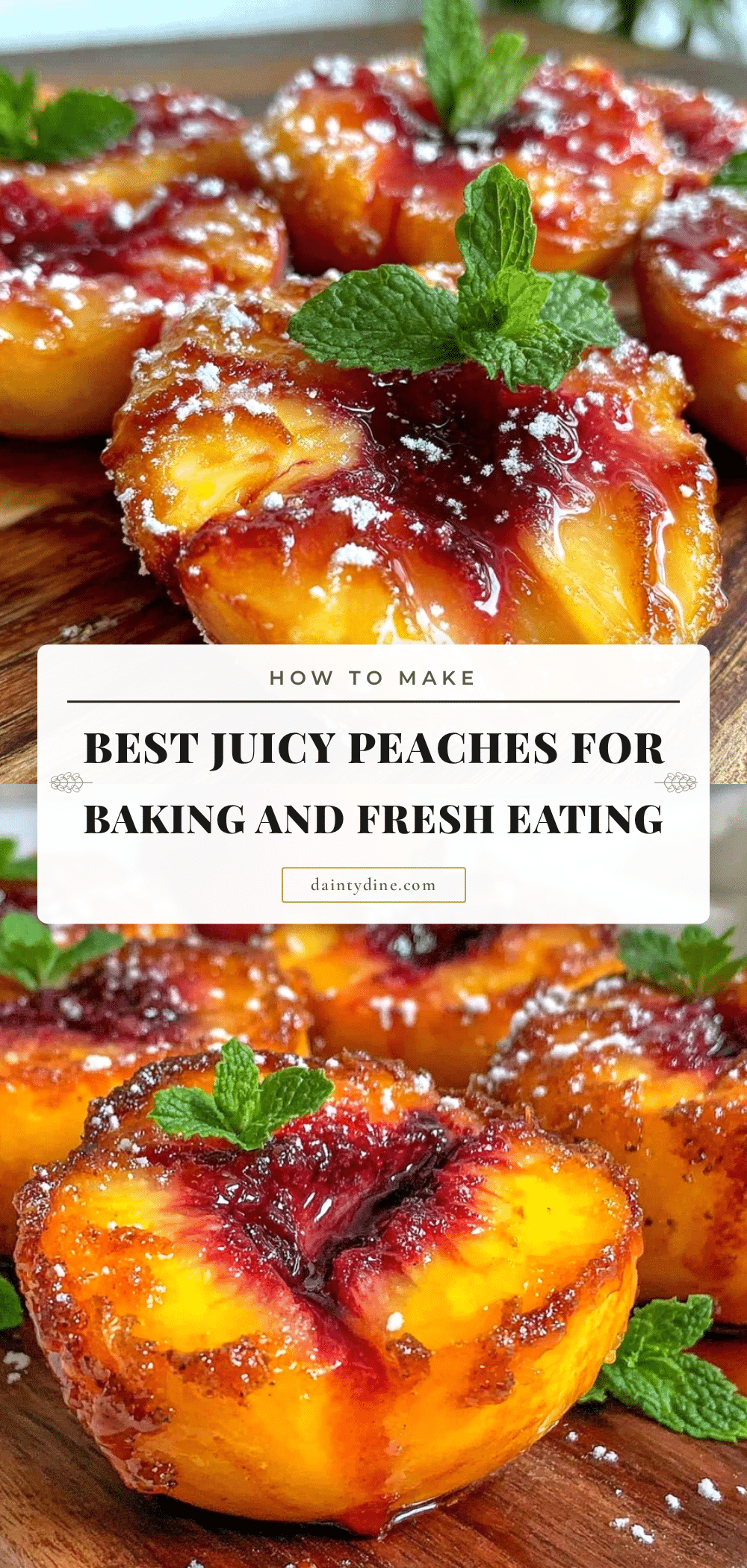
Best Peach Variety for Baking vs Eating Fresh 5 Easy Tips Guide

This guide helps you choose the perfect peach variety for baking or eating fresh, focusing on texture, sweetness, and juiciness to enhance your peach dishes.
- Prep Time: 15 minutes
- Cook Time: 40 minutes
- Total Time: 55 minutes
- Yield: 4 servings
- Category: Dessert
- Cuisine: American
Ingredients
- Fresh peaches (Freestone, Clingstone, Donut/Saturn, Yellow, White varieties)
- Unsalted butter (optional, for baking richness)
- Granulated sugar or brown sugar (adjust sweetness)
- Ground cinnamon or nutmeg (adds warm spice)
- All-purpose flour (for thickening baked fillings)
- Fresh mint leaves (for garnish, fresh eating)
- Honey or balsamic glaze (optional, for fresh eating flavor twist)
Instructions
- Select your peaches based on your plan: slightly soft and fragrant for fresh eating; firmer with minimal bruising for baking.
- Wash the peaches under cool water and gently pat dry.
- Optional for baking: peel peaches by blanching in boiling water for 30 seconds, then shock in ice water to remove skins.
- Slice peaches in half around the pit, twist to separate, remove the pit, then slice into even wedges or chunks.
- For baking: toss peach slices with sugar, a pinch of cinnamon or nutmeg, and a tablespoon of flour to absorb juices.
- Arrange the peach mixture evenly in a baking dish, dot with butter if desired, then add crust or topping.
- Bake peach desserts at 350°F (175°C) for 40-45 minutes until bubbly and golden brown.
- For fresh eating: serve sliced peaches immediately with a sprinkle of sea salt, drizzle of honey, or alongside yogurt or ice cream.
Notes
Peeling peaches before baking is optional but helps create a smoother texture. Toss peach slices with flour before baking to prevent sogginess. Choose firmer peaches like clingstone for baking to hold shape. Store unripe peaches at room temperature until ripe, then refrigerate. Overbaking dries peaches; bake until bubbly and golden.
Nutrition
- Serving Size: 1 cup sliced peaches
- Calories: 150
- Sugar: 20
- Sodium: 10
- Fat: 5
- Saturated Fat: 3
- Carbohydrates: 25
- Fiber: 2
- Protein: 1
Keywords: peach varieties, baking peaches, fresh peaches, peach dessert, peach crisp, peach pie, clingstone peaches, freestone peaches, peach tips