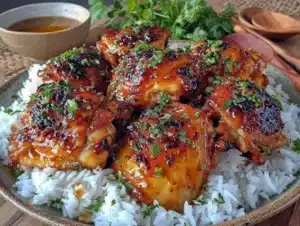
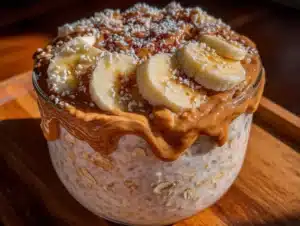
Love this? Save it for later!
Share the inspiration with your friends
That summer after my sophomore year, I decided to finally stop living off instant noodles and whatever leftover pizza I could scavenge from friends’ fridges. I had a grand plan: meal prep like a responsible adult on a student budget. Spoiler alert—it was messy, a little chaotic, and involved way more trips to the grocery store than I expected. But after several rounds of trial and error (and a few sad salads), I nailed a system that let me eat well all week without draining my wallet or my patience.
Student summer meal prep with budget-friendly groceries isn’t just about saving money—it’s about reclaiming your time, sanity, and health during those busy months when a few well-planned meals make all the difference. I’m talking about meals that don’t demand fancy ingredients, take forever to cook, or leave you eating the same bland thing every day.
I’ve tested this approach multiple times, and the magic lies in simple ingredients, clever combos, and a pinch of planning. Whether you’re juggling summer classes, internships, or just trying to survive the heat without ordering takeout every night, this plan is for you.
Why This Recipe Works
This student summer meal prep plan has been a total game-changer for me. Here’s why it might work for you too:
- Budget-Friendly Staples — I built this around ingredients you’d find at any grocery store at decent prices—think rice, canned beans, frozen veggies, and fresh produce that lasts. No weird, expensive superfoods here.
- Time-Saving Prep — I batch cook proteins, grains, and veggies in one go. It’s about an hour of work on Sunday, and then meals just assemble all week. This beats scrambling every day after a long day in the sun or class.
- Flexible and Customizable — Hate a particular veggie? Swap it out. Allergic to nuts? No problem. This plan is a framework, not a rulebook. I’ve even thrown in some quick ideas for no-cook lunches inspired by my fresh smashed cucumber avocado salad and rotisserie chicken Caesar wraps.
- Balanced Nutrition — Carbs, protein, fat, and fiber are all covered. I learned the hard way that eating just carbs (hello, instant noodles) left me crashing mid-afternoon. This plan keeps you fueled and focused.
- Meal Variety — No one wants to eat the same thing every day. I include different flavor profiles and textures so your taste buds don’t get bored.
This isn’t just about food. It’s about making summer feel manageable and even a little fun. Because when your meals are sorted, you’ve got more time for everything else—whether that’s chilling with friends, hitting the library, or binge-watching your favorite shows guilt-free.
Ingredients Breakdown
Here’s the deal: the ingredient list looks longer than it is because it covers the entire week. Most of these are pantry staples or inexpensive fresh items you can find at any supermarket.
Proteins
- Boneless Skinless Chicken Thighs (2 lbs / 900g) — Juicy and forgiving, chicken thighs stay tender even if you slightly overcook them. They’re cheaper than breasts and perfect for batch cooking.
- Canned Black Beans (2 cans, 15 oz each / 425g) — Protein-packed, shelf-stable, and ready to go. Rinse them before use to cut down on sodium.
- Eggs (1 dozen) — For quick breakfasts or protein-rich snacks. I love hard-boiled eggs for grab-and-go simplicity.
Grains and Carbs
- Brown Rice (2 cups dry / 370g) — Filling, affordable, and keeps well in the fridge. I prefer brown rice for the fiber, but white rice works if you’re in a hurry.
- Whole Wheat Tortillas (1 pack, 8 tortillas) — Handy for wraps or quesadillas. I keep these in the freezer to extend shelf life.
- Rolled Oats (1 cup dry / 90g) — For overnight oats or quick breakfast bowls. Cheap and nutritious.
Vegetables and Fruits
- Frozen Mixed Vegetables (1 bag, 16 oz / 450g) — Budget-friendly and no-waste. I use a mix of corn, peas, carrots, and green beans.
- Fresh Bell Peppers (3 medium) — Great raw or cooked. Adds crunch and sweetness.
- Carrots (4 medium) — Can be eaten raw, roasted, or steamed. Lasts all week if stored properly.
- Bananas (4-5 medium) — For snacks or breakfast. Buy slightly underripe to last through the week.
- Avocado (2 medium) — A little pricier, but a little goes a long way. Adds creaminess and healthy fats.
Dairy and Pantry Essentials
- Greek Yogurt (16 oz / 450g) — Protein-rich and versatile. Use for breakfast bowls or as a sour cream substitute.
- Olive Oil (3 tablespoons) — For cooking and dressing. One bottle lasts weeks.
- Spices — Salt, pepper, garlic powder, smoked paprika, cumin, chili powder. These basic spices turn simple ingredients into something tasty.
- Lemon (1 large) — Brightens up dishes. I squeeze fresh lemon juice over salads or cooked veggies.
For anyone who’s new to meal prep or wants inspiration for quick, no-fuss lunches, I highly recommend pairing this plan with my tuna poke bowl recipe. It’s a no-cook, protein-packed meal that complements these staples beautifully.
Equipment You’ll Need
You really don’t need a fancy kitchen for this. Here’s what I actually use:
- Large Baking Sheet — For roasting chicken and vegetables in one go. I use a rimmed sheet to avoid spills.
- Medium Saucepan with Lid — Perfect for cooking rice or steaming veggies.
- Mixing Bowls — At least two—one for marinating chicken, one for tossing salads or mixing ingredients.
- Sharp Chef’s Knife — A good knife makes chopping faster and safer.
- Measuring Cups and Spoons — Helpful but not critical. Eyeballing works in a pinch.
- Storage Containers — Invest in a few medium-sized BPA-free containers with lids. You’ll thank me on busy mornings.
If you’re short on time or gear, a slow cooker or Instant Pot can be a game-changer for cooking rice and chicken hands-off. And if you want even quicker lunch ideas, my rotisserie chicken Caesar wraps come together in 15 minutes with minimal cleanup.
Step-by-Step Instructions
- Preheat Your Oven and Prep Chicken (10 minutes)
Preheat the oven to 425°F (220°C). Pat the chicken thighs dry and season generously with salt, pepper, garlic powder, smoked paprika, and a drizzle of olive oil. Place them skin-side up on a large baking sheet lined with foil or parchment for easy cleanup. - Roast the Chicken (25-30 minutes)
Roast the chicken until the skin is crispy and the internal temperature hits 165°F (74°C). This usually takes 25-30 minutes. While the chicken cooks, get started on your rice and veggies. - Cook the Brown Rice (40 minutes)
Rinse 2 cups of brown rice under cold water. In a medium saucepan, combine rice with 4 cups of water and a pinch of salt. Bring to a boil, then reduce heat to low and simmer, covered, for 40 minutes or until tender. Fluff with a fork and set aside. - Prepare the Vegetables (15 minutes)
While rice cooks, chop bell peppers and carrots into bite-sized pieces. Toss frozen mixed vegetables into a microwave-safe bowl and steam or microwave until heated through (about 3-4 minutes). For extra flavor, toss fresh veggies with a little olive oil, salt, and lemon juice. - Drain and Rinse Canned Beans
Rinse black beans thoroughly under cold water to remove excess sodium. Set aside for adding to salads or wraps. - Assemble Meal Prep Containers (20 minutes)
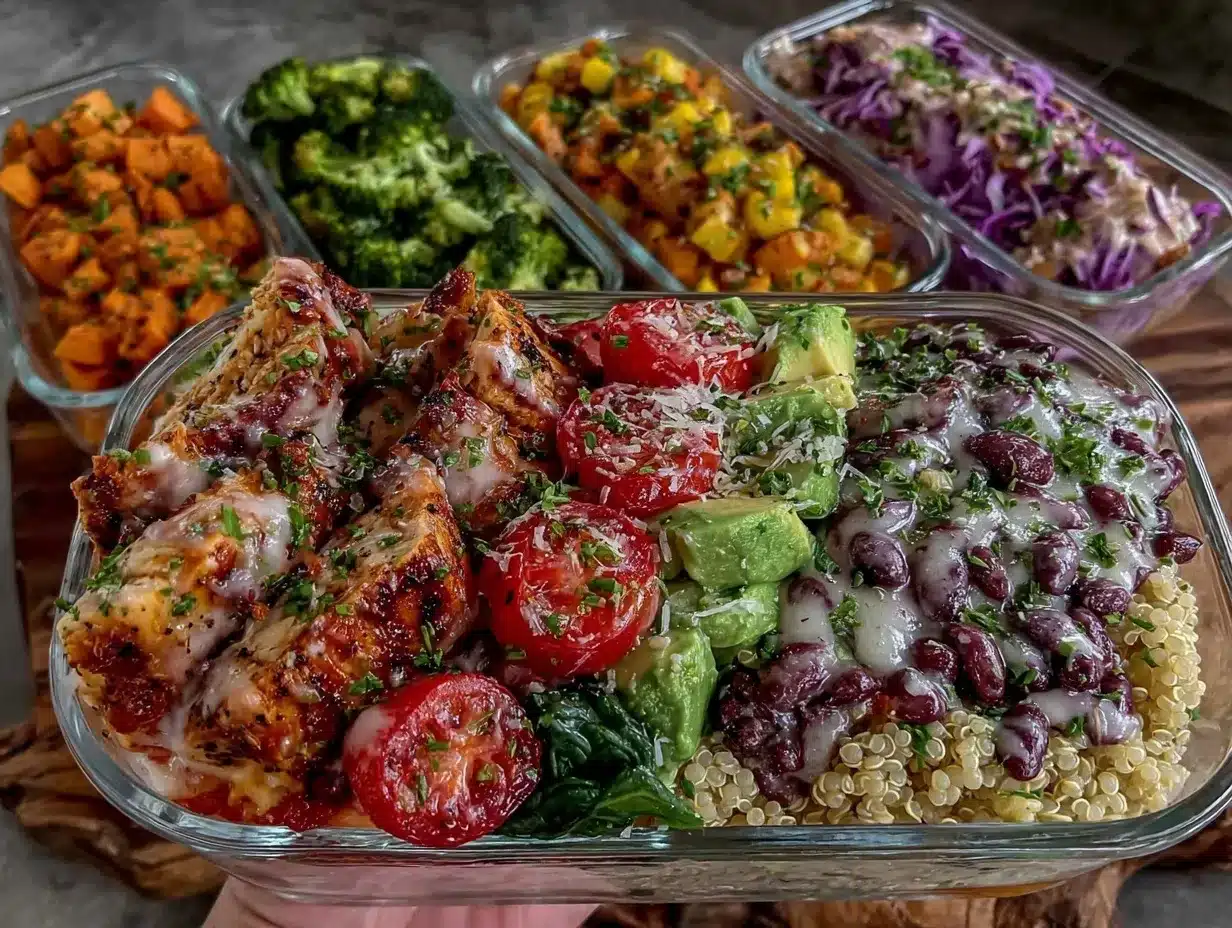
Divide cooked rice evenly into 4-5 containers. Slice or shred the roasted chicken and portion it on top. Add a colorful mix of veggies and a scoop of black beans. For variety, toss some containers with lemon juice and olive oil, others with a sprinkle of chili powder and cumin for a Mexican-inspired twist. - Make Quick Breakfasts and Snacks
Hard boil 6 eggs for easy protein snacks. Prepare overnight oats by mixing rolled oats with Greek yogurt, a splash of milk, and sliced bananas in jars. Store in the fridge overnight and grab them in the morning.
With everything prepped, you’ll have balanced meals ready to heat or eat cold all week. Feel free to spice things up with hot sauce, salsa, or a dollop of Greek yogurt for creaminess. And if you want a simple way to dress up your veggies, check out my smashed cucumber avocado salad for inspiration.
Expert Tips & Troubleshooting
After many summers of meal prepping, here’s what I’ve learned:
- Don’t Skip the Seasoning — Plain chicken and rice are boring. Basic seasoning like smoked paprika and garlic powder takes your meals from “meh” to “wow” without extra cost.
- Cook Rice Early — Brown rice takes a while, so start it first. If you’re short on time, cook it the night before or use quick-cooking rice varieties.
- Batch Cook But Don’t Overcrowd — Give chicken thighs space on the baking sheet so they roast instead of steam. Crisp skin makes all the difference.
- Store Ingredients Separately — Keep wet ingredients like dressings or avocado separate until you’re ready to eat to avoid soggy meals.
- Use Airtight Containers — Invest in good storage to keep your meals fresh through the week. I learned this the hard way when soggy containers ruined a day’s lunch.
- Repurpose Leftovers — If you have extra chicken, make quick quesadillas with tortillas or toss it into a salad with lemon and olive oil. Saves time and keeps things interesting.
Variations & Substitutions
Once you’ve nailed the basics, here are some ways to mix things up:
- Vegetarian Swap — Replace chicken with extra canned beans or roasted chickpeas. You can also use tofu or tempeh marinated in soy sauce and spices.
- Different Grains — Swap brown rice for quinoa, couscous, or even whole wheat pasta for a different texture and flavor.
- Seasoning Twists — Try Mediterranean seasoning with oregano, thyme, and lemon zest, or go Mexican with cumin, chili powder, and lime juice.
- Meal Prep Bowls — Use the ingredients to build bowls with fresh greens, avocado, and a drizzle of your favorite dressing.
- Snack Upgrades — Hard-boiled eggs can be swapped for a quick Greek yogurt bowl topped with nuts and honey for an energy boost.
Serving & Storage
Here’s how I keep everything fresh and delicious all week:
- Serving — Heat meals in the microwave for 1-2 minutes or enjoy cold for a refreshing summer lunch. Wraps and salads can be eaten straight from the container.
- Room Temperature Storage — Cooked rice and chicken can sit at room temperature for up to 2 hours safely, but I recommend refrigerating within 1 hour to keep things fresh.
- Refrigeration — Store meals in airtight containers in the fridge for up to 4 days. I divide portions so I’m not opening the whole batch every time.
- Freezing — Cooked chicken freezes well if you want to prep in bulk. Freeze in meal-sized portions and thaw overnight in the fridge before reheating.
- Snack Storage — Hard-boiled eggs last about a week refrigerated if peeled. Keep bananas and avocados separate and add fresh just before eating to avoid browning.
For a refreshing twist on your summer lunches, try pairing these meals with my no-cook tuna Nicoise salad bowl. It’s light, no-fuss, and perfect for hot days.
Nutrition Information
Not a nutritionist here, but here’s a rough idea per meal prep container (1/5th of the batch):
| Calories | 450-500 |
|---|---|
| Protein | 35g |
| Carbohydrates | 50g |
| Fiber | 7g |
| Fat | 10g (mostly from olive oil and chicken) |
| Sodium | 350mg (can be lowered by rinsing beans) |
This balance keeps you full, energized, and ready to take on whatever the summer throws your way. Compared to eating out or prepackaged meals, this is a win for your wallet and your waistline.
Final Thoughts
So that’s my student summer meal prep plan with budget-friendly groceries for the week! I know meal prepping can feel intimidating at first, but once you get into the groove, it’s a total lifesaver. This plan helped me stop wasting money on takeout and gave me real, satisfying meals every day.
Get creative with the spices, switch up the veggies, and find your favorite combos. Meal prepping doesn’t have to be boring or expensive, and trust me, it’s worth that little upfront effort when your future self thanks you for easy, tasty meals.
Give it a try and let me know how it goes! I’m always here to troubleshoot or swap ideas if you get stuck. Happy prepping and enjoy your summer fuel!
FAQs
Can I use chicken breasts instead of thighs?
Yes, you can swap chicken thighs for breasts. Just keep an eye on cooking time—breasts cook faster and can dry out if overdone. I prefer thighs because they stay juicy and are usually cheaper, but breasts work fine if you’re careful.
How long can I keep prepped meals in the fridge?
I recommend eating your prepped meals within 4 days for the best taste and safety. If you want to prep for longer, freeze portions and thaw in the fridge overnight before eating.
What if I don’t have a microwave to reheat meals?
No worries! You can reheat meals in a skillet over medium heat for a few minutes, or even enjoy them cold—especially the wraps and salads. Summer is perfect for no-cook options like the tuna poke bowl.
Can I meal prep if I don’t have a lot of storage containers?
Absolutely. Use resealable bags, reuse clean food packaging, or divide meals into larger portions to store fewer containers. Just be sure everything’s airtight to keep food fresh.
How do I keep fresh produce from spoiling during the week?
Store veggies like carrots and peppers in the crisper drawer wrapped in paper towels to absorb moisture. Keep avocados and bananas separate until ready to eat. If you buy leafy greens, wash, dry thoroughly, and store in a container lined with paper towels.
Can I add more snacks or breakfasts to this plan?
Definitely! Hard-boiled eggs, overnight oats, fruit, and yogurt bowls are all great additions. Check out my high-protein Greek yogurt bowl for a quick breakfast idea that pairs perfectly with this meal prep plan.
Is it okay to prep meals for more than one week at a time?
It’s best to stick to prepping for one week unless you freeze portions. Ingredients like cooked rice and chicken can lose quality if stored too long in the fridge. Freeze extras to keep meals tasting fresh.
Pin This Recipe!
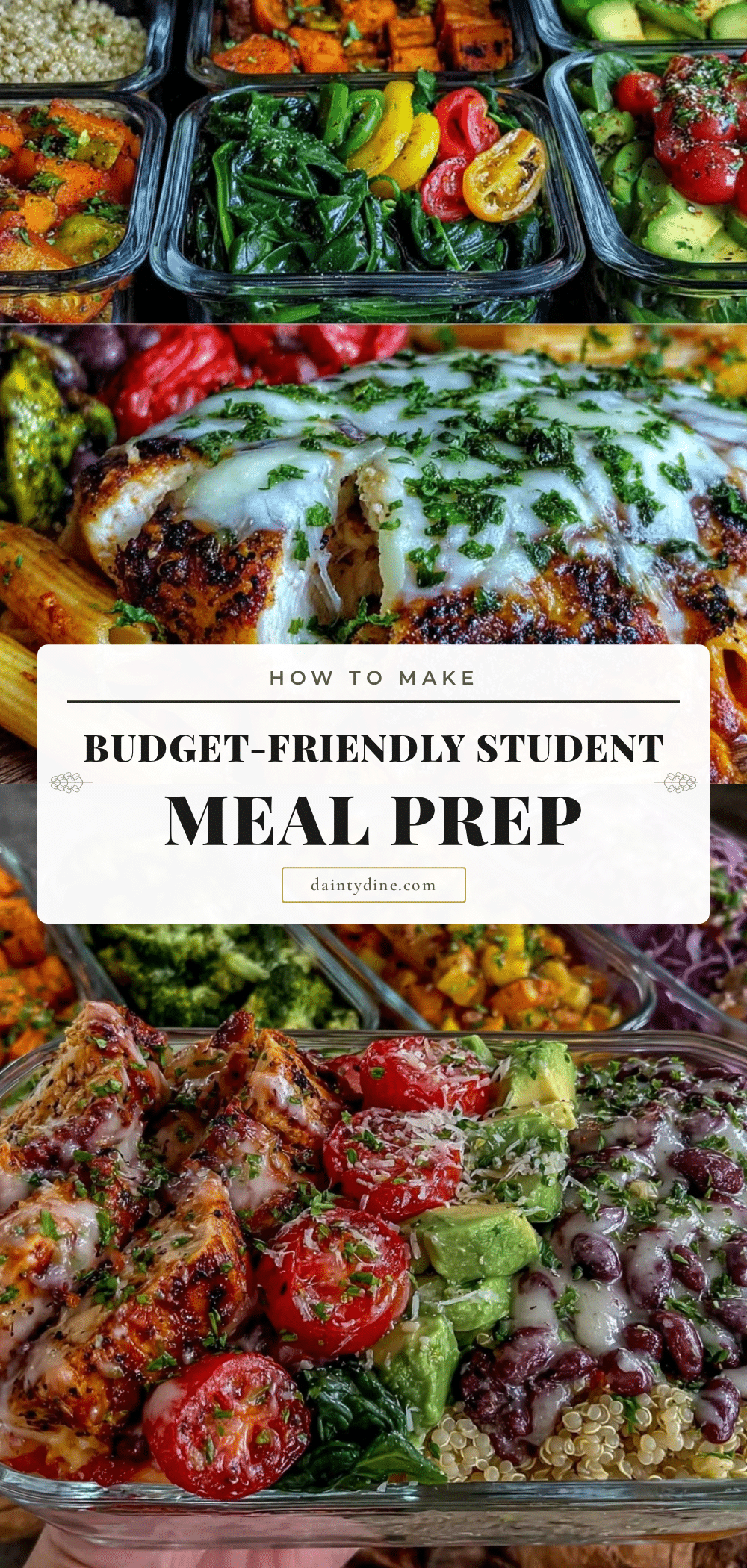
Student Summer Meal Prep Easy Budget-Friendly Groceries for the Week
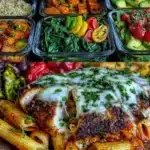
A budget-friendly, time-saving student summer meal prep plan featuring simple ingredients and balanced nutrition to fuel your week with easy, customizable meals.
- Prep Time: 25 minutes
- Cook Time: 1 hour 15 minutes
- Total Time: 1 hour 40 minutes
- Yield: 4-5 servings 1x
- Category: Meal Prep
- Cuisine: American
Ingredients
- 2 lbs boneless skinless chicken thighs
- 2 cans (15 oz each) canned black beans, rinsed
- 1 dozen eggs
- 2 cups dry brown rice
- 1 pack (8 tortillas) whole wheat tortillas
- 1 cup dry rolled oats
- 1 bag (16 oz) frozen mixed vegetables (corn, peas, carrots, green beans)
- 3 medium fresh bell peppers
- 4 medium carrots
- 4–5 medium bananas
- 2 medium avocados
- 16 oz Greek yogurt
- 3 tablespoons olive oil
- Salt
- Black pepper
- Garlic powder
- Smoked paprika
- Cumin
- Chili powder
- 1 large lemon
Instructions
- Preheat the oven to 425°F (220°C). Pat the chicken thighs dry and season generously with salt, pepper, garlic powder, smoked paprika, and a drizzle of olive oil. Place them skin-side up on a large baking sheet lined with foil or parchment for easy cleanup.
- Roast the chicken until the skin is crispy and the internal temperature reaches 165°F (74°C), about 25-30 minutes. While the chicken cooks, start preparing rice and vegetables.
- Rinse 2 cups of brown rice under cold water. In a medium saucepan, combine rice with 4 cups of water and a pinch of salt. Bring to a boil, then reduce heat to low and simmer, covered, for 40 minutes or until tender. Fluff with a fork and set aside.
- Chop bell peppers and carrots into bite-sized pieces. Toss frozen mixed vegetables into a microwave-safe bowl and steam or microwave until heated through (about 3-4 minutes). For extra flavor, toss fresh veggies with olive oil, salt, and lemon juice.
- Rinse black beans thoroughly under cold water to remove excess sodium. Set aside for adding to salads or wraps.
- Divide cooked rice evenly into 4-5 containers. Slice or shred the roasted chicken and portion it on top. Add a colorful mix of veggies and a scoop of black beans. For variety, toss some containers with lemon juice and olive oil, others with chili powder and cumin for a Mexican-inspired twist.
- Hard boil 6 eggs for easy protein snacks. Prepare overnight oats by mixing rolled oats with Greek yogurt, a splash of milk, and sliced bananas in jars. Store in the fridge overnight and grab them in the morning.
Notes
Do not skip seasoning the chicken and rice to enhance flavor. Cook rice first as it takes the longest. Avoid overcrowding chicken on the baking sheet to ensure crispy skin. Store wet ingredients separately to avoid sogginess. Use airtight containers to keep meals fresh. Leftover chicken can be repurposed into quesadillas or salads. Hard-boiled eggs last about a week refrigerated if peeled. Bananas and avocados should be stored separately and added fresh to avoid browning.
Nutrition
- Serving Size: 1 meal prep containe
- Calories: 475
- Sugar: 5
- Sodium: 350
- Fat: 10
- Saturated Fat: 2
- Carbohydrates: 50
- Fiber: 7
- Protein: 35
Keywords: student meal prep, budget-friendly meals, summer meal prep, easy meal prep, healthy student meals, batch cooking, quick meals