Love this? Save it for later!
Share the inspiration with your friends
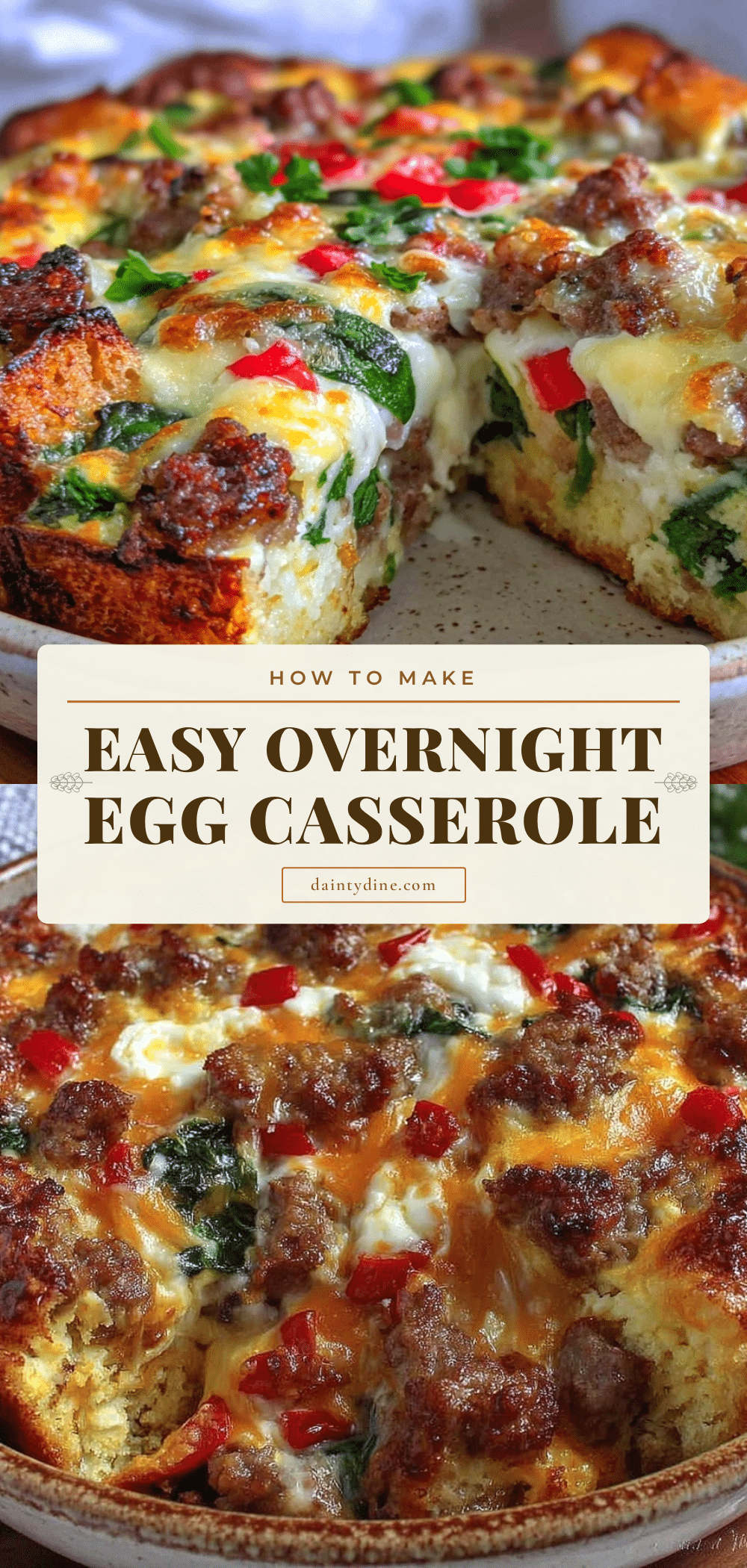
One Saturday morning, bleary-eyed and scrambling to get the kids ready for a busy weekend, I realized I needed something more than just cereal or toast to fuel us. I wanted a breakfast that felt like a treat but didn’t require waking up an hour early. That’s when I stumbled on this overnight egg casserole. I tossed everything together the night before, popped it in the fridge, and the next morning? Magic. The house smelled like a cozy brunch spot, and my family devoured it without any fuss.
Since then, this overnight egg casserole has been my secret weapon for busy weeknights and laid-back weekend brunches alike. It’s one of those recipes that feels fancy but is seriously easy to pull off. Plus, it’s flexible enough to switch up based on what’s in the fridge—talk about a win! If you’ve ever wished for a breakfast that practically makes itself while you sleep, this is it.
And honestly, after trying a handful of morning casseroles, this one stood out because it’s creamy, packed with flavor, and perfect for feeding a crowd—or just your hungry household. I’ve tested it with different cheeses, veggies, and proteins, and it’s always a hit. If you want something better than scrambled eggs that still comes together in a flash, keep reading. This overnight egg casserole recipe might just become your new favorite go-to.
Why This Recipe Works
Here’s the thing: I’ve made a dozen egg casseroles over the years, and this overnight egg casserole has a few tricks up its sleeve that keep it winning.
- Hands-Off Convenience — Mix everything the night before, refrigerate, and bake the next morning. It frees up your time to focus on coffee, waking up kids, or just chilling.
- Perfect Texture Every Time — Thanks to the soaking period overnight, the bread soaks up just the right amount of custard without getting soggy. The result? Creamy inside with a golden, slightly crisp top.
- Family-Friendly and Crowd-Pleasing — I’ve served this to picky eaters and brunch-loving friends alike. Everyone asks for seconds, and it works equally well for a casual weekday dinner or a special family brunch.
- Flexible Ingredients — You can swap cheeses, add veggies, or use leftover meats without messing up the balance. I once made it with leftover rotisserie chicken and it was a game changer (more on that in variations).
- Feeds a Crowd Without Stress — This recipe scales easily. I’ve doubled it for potlucks and it still bakes evenly and tastes amazing.
For me, this casserole hits the sweet spot between comfort food and practicality. It’s one less thing to worry about on hectic mornings or busy weeknights, and it’s always a crowd-pleaser that feels like a little celebration. If you’ve ever made a rushed breakfast or skipped it altogether, this will change your mornings.
Ingredients Breakdown
This might look like a lot at first, but here’s the kicker: most of these are pantry staples or things you probably already have chilling in your fridge. I’m super picky about a few ingredients here, and I’ll tell you exactly why.
For the Base
- Day-old bread (6 cups cubed / about 6 ounces / 170g) — Stale or slightly dried bread soaks up the egg custard perfectly without turning mushy. I like a sturdy French bread or sourdough, but even sandwich bread works. Avoid super soft white bread unless you want a pudding consistency.
- Large eggs (8) — The backbone of the custard. Use room temperature eggs if you can (I leave mine out 30 minutes before mixing) so they blend smoothly with the milk.
- Milk (2 cups / 480ml) — Whole milk gives the best creamy texture, but 2% works fine too. I’ve tried almond milk and it’s fine in a pinch but changes the flavor slightly.
- Half-and-half or heavy cream (1 cup / 240ml) — Adds richness and creaminess. You can swap this for more milk to lighten it up but the texture won’t be quite as luxurious.
- Shredded cheese (2 cups / 200g) — I use sharp cheddar for that classic flavor. Gruyere or Monterey Jack are great swaps. I find pre-shredded cheese works fine, but freshly shredded melts better.
- Salt and black pepper (1 teaspoon salt, ½ teaspoon pepper) — Don’t skip this. It brings out all the flavors.
- Dijon mustard (1 teaspoon) — A little secret flavor booster that cuts through the richness and adds depth. Trust me on this one.
- Garlic powder (½ teaspoon) — Optional but highly recommended for that subtle savory kick.
Optional Mix-Ins

- Cooked breakfast sausage or bacon (1 cup / 150g) — Adds smoky, savory flavor. I’ve used store-bought breakfast sausage crumbles or chopped crispy bacon.
- Chopped veggies (1 to 1½ cups) — Bell peppers, spinach, mushrooms, or onions work beautifully. I sauté them first to soften and concentrate flavor.
- Fresh herbs (2 tablespoons) — Parsley, chives, or thyme add brightness.
Pro tip: I keep a loaf of bread sliced and frozen just for this casserole. It’s perfect for last-minute breakfast plans. Also, if you’re short on time, using rotisserie chicken as a protein add-in saves a ton of effort and tastes amazing.
Equipment You’ll Need
You don’t need anything fancy here. Here’s what I actually use:
- 9×13-inch baking dish — Glass or ceramic works great. Glass heats evenly, but ceramic gives a nicer crust sometimes. If you only have a smaller dish, you can halve the recipe.
- Large mixing bowl — For whisking eggs and mixing everything together. Any size works as long as it’s big enough to hold the bread and custard.
- Whisk — For beating eggs and mixing the custard. A fork works in a pinch, but a whisk makes it easier.
- Measuring cups and spoons — Baking is part science, so measuring helps. I use the scoop-and-level method for dry ingredients.
- Nonstick cooking spray or butter — For greasing the baking dish. I like butter for flavor and browning.
Optional but helpful:
- Sauté pan — For softening veggies or cooking meat ahead of time.
- Cheese grater — If you’re shredding cheese fresh (always worth it!).
Step-by-Step Instructions
- Prep the Bread and Baking Dish (10 minutes)
Cube your day-old bread into roughly 1-inch pieces. Grease your 9×13-inch baking dish with butter or nonstick spray to prevent sticking. Toss the bread cubes evenly in the dish. - Whisk the Custard (5 minutes)
In a large bowl, whisk together the eggs, milk, half-and-half, Dijon mustard, salt, pepper, and garlic powder until smooth and slightly frothy. This mix is your custard base that soaks into the bread. - Add Cheese and Mix-Ins (5 minutes)
Stir in 1½ cups of shredded cheese right into the custard. If you’re using cooked sausage, bacon, or sautéed veggies, fold those in now as well. - Combine Custard and Bread (2 minutes)
Pour the custard mixture evenly over the bread cubes in your baking dish. Press down gently with a spatula or your hands to help the bread absorb the liquid. It should look moist but not swimming. - Refrigerate Overnight (8+ hours)
Cover the baking dish tightly with plastic wrap or foil and refrigerate overnight. This step lets the bread soak up the custard, resulting in a creamy texture. - Bake (45-55 minutes)
The next morning (or whenever you’re ready), preheat your oven to 350°F (175°C). Remove the cover and sprinkle the remaining ½ cup cheese evenly on top. Bake uncovered for 45-55 minutes until the top is golden brown and the casserole is set in the center. A knife or toothpick inserted should come out clean. - Rest Before Serving (10 minutes)
Let the casserole cool for 10 minutes before slicing. This helps it firm up and makes for cleaner slices.
Timing-wise, you’re looking at about 15 minutes prep the night before, then 45-55 minutes baking the next day with minimal active work. It’s kind of like breakfast magic.
Expert Tips & Troubleshooting
After making this casserole more times than I can count, here are the nuggets of wisdom that saved me from early disasters:
- Don’t skip the overnight soak. This is what turns the bread into custardy, creamy goodness. I tried baking immediately once, and it was just dry bread with eggs on top. No thanks.
- Use sturdy bread. Super soft sandwich bread turns this into more of a bread pudding. That can be good, but not what you’re aiming for here.
- Press the bread gently after pouring custard. Helps everything soak evenly without squishing the bread into mush.
- Keep an eye on the bake time. Ovens vary, so start checking at 45 minutes. If the edges brown too fast, tent with foil.
- Freshly shredded cheese melts better. If you want that melty, gooey top, take 2 extra minutes and shred your own.
- Sauté your veggies first. Raw vegetables can release water and make the casserole soggy. Pre-cooking concentrates flavor and improves texture.
- Leftovers reheat beautifully. Microwave for 30 seconds or warm in a 300°F oven for 10 minutes.
Variations & Substitutions
Once you nail the classic version, it’s fun to shake things up. Here are some tested ways to customize your overnight egg casserole:
- Meat lovers: Add cooked crumbled sausage, diced ham, or bacon for extra heartiness. Using leftover rotisserie chicken is fantastic here too.
- Veggie packed: Toss in sautéed spinach, mushrooms, bell peppers, or zucchini. I like to add fresh herbs like thyme or chives for extra brightness.
- Cheese swaps: Gruyere, mozzarella, or pepper jack all work beautifully. For a sharper bite, add a sprinkle of Parmesan on top before baking.
- Make it spicy: Add diced jalapeños or a dash of hot sauce into the custard mixture for a morning kick.
- Gluten-free: Use gluten-free bread cubes. The texture is slightly different but still delicious.
- Muffin tins: Same batter but baked in greased muffin tins for individual portions. Bake at 350°F for 20-25 minutes. Great for grab-and-go breakfasts.
Feeling adventurous? I often pair this casserole with quick, fresh sides like the smashed cucumber avocado salad for a light contrast or whip up a batch of the tuna nicoise salad bowl to round out a brunch spread.
Serving & Storage
I usually serve this casserole warm, straight from the oven, with a little extra cracked black pepper on top. It pairs perfectly with fresh fruit or a simple green salad for brunch.
Here are some favorite ways to enjoy leftovers:
- Reheat slices in the microwave for 30 seconds or warm in a 300°F oven for 10 minutes.
- Make breakfast sandwiches by layering a slice on an English muffin with avocado and hot sauce.
- Freeze leftovers by slicing fully cooled casserole, wrapping slices individually in plastic wrap, and storing in a freezer bag. Toast or microwave directly from frozen.
Storage tips: Keep leftovers in an airtight container in the fridge for up to 4 days. The casserole actually tastes even better on day two when the flavors meld.
Nutrition Information
I’m not a nutritionist, but here’s the rough breakdown per slice if you cut this casserole into 12 servings:
| Nutrient | Amount |
|---|---|
| Calories | 280 |
| Protein | 15g |
| Total Carbohydrates | 20g |
| Dietary Fiber | 1g |
| Sugars | 3g |
| Total Fat | 17g |
| Saturated Fat | 8g |
| Cholesterol | 210mg |
| Sodium | 480mg |
| Calcium | 250mg |
The protein punch comes from the eggs and cheese, which helps keep you full longer. It’s richer than a simple egg scramble, so a smaller slice actually fills you up.
Final Thoughts
So that’s my overnight egg casserole, a recipe I’ve come to rely on for feeding my family without chaos. It’s easy to prep, forgiving in the oven, and endlessly adaptable to whatever you have on hand. I rarely do a weekend brunch without it now, and it’s saved me on so many busy weeknights when dinner plans fell through.
Give it a shot and see if it earns a permanent spot in your meal rotation. And if you want a quick, stress-free way to add fresh flavors alongside it, try pairing with a crisp salad like the smashed cucumber avocado salad. It’s one of my favorite combos.
Drop a comment below if you make it! I love hearing how people customize this casserole or if you have questions. Cooking should be fun and stress-free, and this recipe is proof it can be both.
Happy baking and even happier mornings!
FAQs
Can I prepare the casserole earlier than overnight?
You can let it soak for as little as 2-3 hours if you’re short on time, but the texture won’t be as creamy. Overnight soaking is ideal, but even a few hours in the fridge will improve the custard absorption.
Can I use a different type of bread?
Absolutely. I recommend sturdy breads like sourdough, French, or even a hearty whole grain. Avoid very soft white sandwich bread unless you want a bread pudding vibe. Gluten-free bread also works but expect a slightly different texture.
How do I make this casserole vegetarian?
Simply skip the meat add-ins and load up on veggies and cheese. Mushrooms, spinach, bell peppers, and onions all add great flavor and texture. You can also add vegetarian sausage crumbles if you want more protein.
Can I freeze the casserole before baking?
Yes! Prepare the casserole in the dish, cover tightly with foil, and freeze before baking. When ready to eat, bake from frozen, adding about 15-20 minutes to the baking time. It’s a great meal prep hack.
Why is my casserole watery after baking?
Usually, this happens if you add too many watery vegetables without pre-cooking them or if the bread is too fresh and absorbs less liquid. Sauté veggies before adding and use day-old bread for best results.
Can I add different cheeses?
Definitely! Cheddar is classic, but Gruyere, mozzarella, pepper jack, or a blend all work beautifully. Just adjust the saltiness accordingly.
What’s the best way to reheat leftovers?
I like to microwave slices for 30 seconds or warm them in a 300°F oven for 10 minutes. For a crispy top, you can broil for a minute or two—just watch it closely!
Pin This Recipe!
Overnight Egg Casserole Recipe Easy Make-Ahead Brunch for Busy Weeknights

A creamy, flavorful overnight egg casserole that you prepare the night before and bake in the morning, perfect for busy weeknights or laid-back weekend brunches. Flexible and family-friendly, it can be customized with various cheeses, veggies, and proteins.
- Prep Time: 15 minutes
- Cook Time: 45-55 minutes
- Total Time: 8 hours 60-70 minutes (including overnight refrigeration)
- Yield: 12 servings 1x
- Category: Breakfast, Brunch
- Cuisine: American
Ingredients
- 6 cups cubed day-old bread (about 6 ounces / 170g)
- 8 large eggs
- 2 cups whole milk (480ml)
- 1 cup half-and-half or heavy cream (240ml)
- 2 cups shredded cheese (sharp cheddar recommended, about 200g)
- 1 teaspoon salt
- ½ teaspoon black pepper
- 1 teaspoon Dijon mustard
- ½ teaspoon garlic powder (optional)
- Optional mix-ins:
- 1 cup cooked breakfast sausage or bacon (150g)
- 1 to 1½ cups chopped sautéed veggies (bell peppers, spinach, mushrooms, onions)
- 2 tablespoons fresh herbs (parsley, chives, thyme)
Instructions
- Cube your day-old bread into roughly 1-inch pieces. Grease a 9×13-inch baking dish with butter or nonstick spray to prevent sticking. Toss the bread cubes evenly in the dish.
- In a large bowl, whisk together the eggs, milk, half-and-half, Dijon mustard, salt, pepper, and garlic powder until smooth and slightly frothy.
- Stir in 1½ cups of shredded cheese into the custard. Fold in cooked sausage, bacon, or sautéed veggies if using.
- Pour the custard mixture evenly over the bread cubes in the baking dish. Press down gently with a spatula or your hands to help the bread absorb the liquid. It should look moist but not swimming.
- Cover the baking dish tightly with plastic wrap or foil and refrigerate overnight (at least 8 hours).
- Preheat oven to 350°F (175°C). Remove cover and sprinkle the remaining ½ cup cheese evenly on top.
- Bake uncovered for 45-55 minutes until the top is golden brown and the casserole is set in the center. A knife or toothpick inserted should come out clean.
- Let the casserole cool for 10 minutes before slicing to help it firm up.
Notes
[‘Do not skip the overnight soak for best creamy texture.’, ‘Use sturdy bread like French bread or sourdough to avoid sogginess.’, ‘Press bread gently after pouring custard to help absorption.’, ‘Start checking bake at 45 minutes; tent with foil if edges brown too fast.’, ‘Freshly shredded cheese melts better than pre-shredded.’, ‘Sauté veggies before adding to avoid watery casserole.’, ‘Leftovers reheat well in microwave or oven.’, ‘Freezing before baking is possible; add 15-20 minutes to bake time when baking from frozen.’]
Nutrition
- Serving Size: 1 slice (1/12th of c
- Calories: 280
- Sugar: 3
- Sodium: 480
- Fat: 17
- Saturated Fat: 8
- Carbohydrates: 20
- Fiber: 1
- Protein: 15
Keywords: overnight egg casserole, make-ahead breakfast, brunch recipe, easy egg casserole, breakfast casserole, family-friendly brunch, savory breakfast bake