Love this? Save it for later!
Share the inspiration with your friends
My sister claimed she didn’t like pasta. For years. She’d push it around her plate at family dinners, make a point of ordering salads at Italian restaurants, and insist she was “just not a pasta person.” Then last Tuesday, I made this garlic butter shrimp pasta just for myself—a quick lunch while she was over helping me organize my pantry. I turned my back for two minutes to grab a lemon from the fridge, and when I looked around, there she was, standing at the stove, twirling a forkful of spaghetti right out of the pan. She didn’t even bother with a plate. Just stood there, eating it over the sink, trying to look casual about it.
That’s the thing about this easy 15-minute garlic butter shrimp pasta. It has a way of converting people when they’re not looking. I mean, honestly, I get it. The combination of perfectly seared shrimp, nutty browned butter, and just enough garlic to make your kitchen smell like a five-star restaurant—it’s hard to resist even when you’re trying. I almost dropped my phone taking a picture of her caught-in-the-act moment, and she just shrugged and said, “Okay, this is actually really good.”
Maybe you’ve been there, thinking quick pasta dinners are boring or that shrimp takes too much effort for a weeknight. Let me tell you, this recipe changes all of that. It’s the kind of meal that makes you feel like you’ve cheated the system—restaurant-quality flavor in the time it takes to watch a single episode of your favorite show. I’ve been making this version for about two years now, tweaking the garlic-to-butter ratio, testing different pasta shapes, and I can honestly say it’s never let me down. Not once. Even my pasta-hating sister asks for it now. That’s the kind of power we’re talking about here.
Why You’ll Love This Recipe
Let me tell you why this easy garlic butter shrimp pasta has become my most-requested recipe among friends and family. I’ve tested this dozens of times, and here’s what makes it stand out from every other quick pasta recipe out there.
- Ready in 15 Minutes Flat: From the moment you start boiling water to the second you’re twirling that first forkful, we’re talking 15 minutes. This is faster than takeout delivery, and I promise it tastes better.
- Simple Pantry Ingredients: You likely have 90% of these ingredients in your kitchen right now. Butter, garlic, pasta, lemon, and some basic seasonings—that’s really all we’re working with here. No fancy grocery store trips required.
- Perfect for Busy Weeknights: This is my go-to when I’ve had a long day and the last thing I want to do is spend an hour cooking. It feels special enough for a Friday night but quick enough for a Tuesday.
- Crowd-Pleaser Status: Kids love it, adults love it, and apparently even self-proclaimed pasta-haters love it. I’ve served this at casual dinner parties and watched people go back for thirds.
- Restaurant-Quality at Home: The secret is in the technique—browning the butter just right and getting a good sear on the shrimp. It’s that simple step that makes this taste like something from a fancy Italian spot.
What really sets this recipe apart is the balance. Most garlic butter shrimp pasta recipes either drown everything in garlic or skimp on the butter. I’ve spent time getting that ratio perfect—enough garlic to be bold but not overwhelming, enough butter to feel indulgent but not greasy. The lemon brightens everything up, and the parsley adds that fresh finish that makes each bite feel complete.
This isn’t just another pasta recipe. It’s the one you’ll memorize, the one you’ll make without thinking, the one that saves dinner when you have absolutely nothing planned. It’s comfort food that comes together faster than you can decide what to watch on Netflix.
What Ingredients You Will Need
This recipe uses simple, everyday ingredients to create something genuinely special. Here’s everything you’ll need, along with a few tips I’ve picked up along the way.
- 8 ounces spaghetti or linguine: I prefer linguine for this because the flat shape catches the garlic butter sauce beautifully, but spaghetti works perfectly too. Use any long pasta you have on hand.
- 1 pound large shrimp, peeled and deveined: Look for shrimp that are 21-25 count per pound—they’re big enough to get a nice sear without being overwhelming. I buy frozen raw shrimp and thaw them in cold water for about 10 minutes. Wild-caught shrimp from the freezer section works great and is often fresher than the “fresh” stuff at the seafood counter.
- 4 tablespoons unsalted butter: I recommend using a good quality butter here since it’s the star of the sauce. Kerrygold or Plugrà are my favorites for their rich flavor. Salted butter works too—just reduce the added salt in the recipe.
- 5 cloves garlic, minced: Fresh garlic is non-negotiable here. Pre-minced jarred garlic has a different flavor and can taste bitter when cooked. Take the extra minute to mince fresh cloves—it makes a real difference.
- 1/2 teaspoon red pepper flakes (optional): This adds a gentle warmth without making it spicy. Leave it out if you’re serving kids or prefer a milder dish. I sometimes add a pinch more when cooking just for myself.
- 1/2 cup reserved pasta water: This is liquid gold. The starchy water helps bind the sauce to the pasta and gives it that silky, restaurant-quality texture. Don’t skip this step.
- 1/4 cup fresh lemon juice (about 1 lemon): Fresh lemon juice is essential. Bottled lemon juice has a flat, metallic taste that can ruin the bright, fresh flavor of this dish. Roll the lemon on the counter before juicing to get the most out of it.
- 1/4 cup fresh parsley, chopped: Flat-leaf parsley has more flavor than curly, but either works. The parsley adds color and freshness that balances the richness of the butter.
- Salt and black pepper to taste: I use kosher salt for cooking the pasta and a generous amount of freshly cracked black pepper at the end.
- Grated Parmesan cheese for serving (optional): While traditional garlic butter shrimp pasta doesn’t always include cheese, I love a light sprinkle of Parmesan on top. It adds a salty, nutty element that complements the shrimp beautifully.
Equipment Needed
You don’t need much for this recipe, which is part of its beauty. Here’s what you’ll need:
- Large pot for pasta: A 5-quart pot works perfectly. Make sure it’s big enough for the pasta to move freely while cooking.
- Large skillet or frying pan: I use a 12-inch stainless steel skillet because it gives the shrimp room to sear without crowding. A non-stick pan works too, but you won’t get quite as much browning on the shrimp. Cast iron is also excellent here.
- Colander: For draining the pasta. Don’t forget to save that pasta water before you drain!
- Measuring cups and spoons: For accuracy, especially with the pasta water and lemon juice.
- Chef’s knife and cutting board: For mincing garlic and chopping parsley. A sharp knife makes this job much faster.
- Tongs: For tossing the pasta with the sauce. Tongs give you better control than a spoon.
- Microplane or zester (optional): If you want to add lemon zest for extra flavor, this is handy. Not essential, but nice.
I’ve made this recipe with a cheap non-stick pan and a high-end stainless steel one, and honestly, both work fine. The key is giving the shrimp enough space to sear, not the pan’s price tag. If you’re on a budget, a basic 12-inch non-stick skillet from a department store will serve you well for years.
Preparation Method
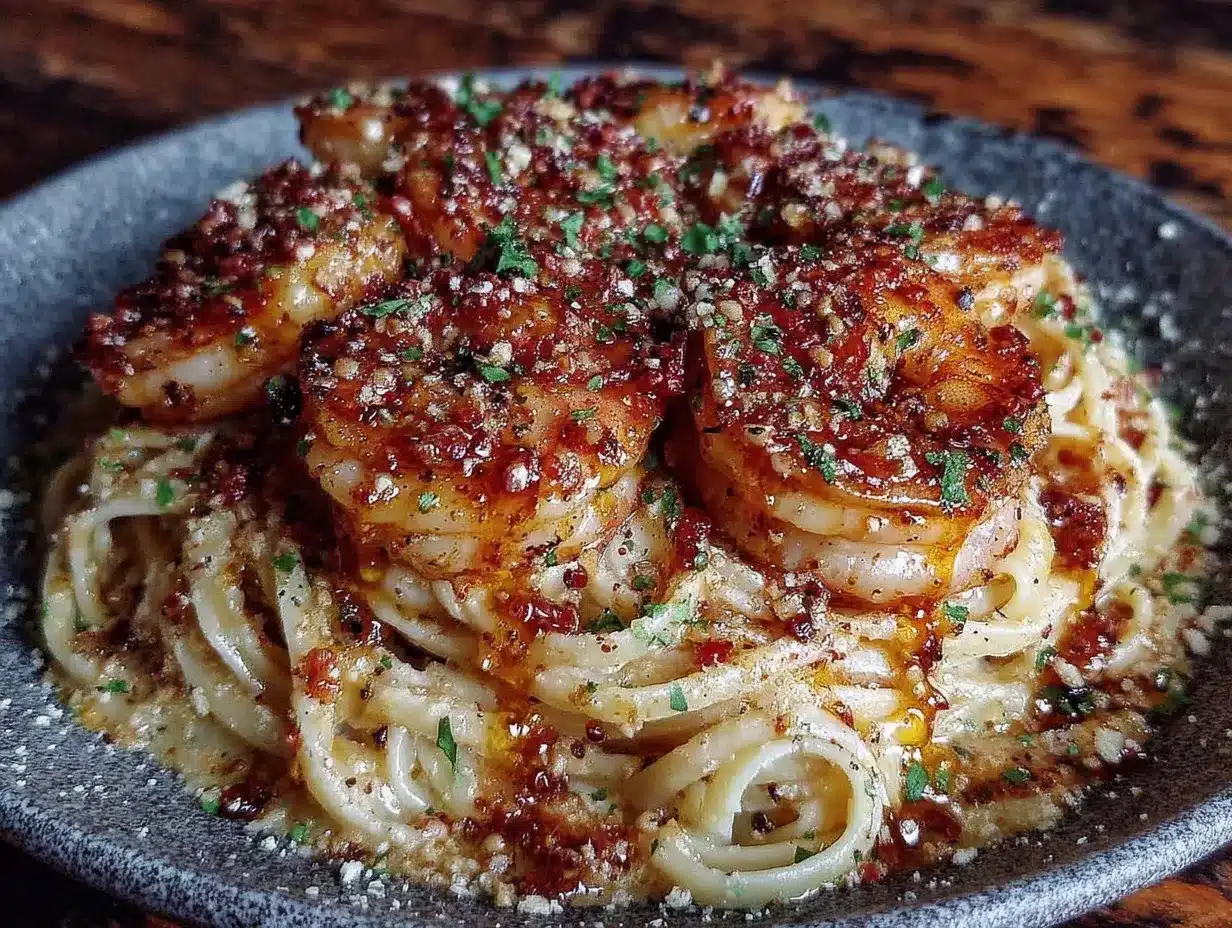
Let me walk you through this step by step. I’ve made this so many times that I’ve got it down to a rhythm, and I’ll share all the little tricks I’ve learned along the way.
- Bring a large pot of salted water to a boil. Fill your pot about three-quarters full with water and add a generous tablespoon of kosher salt. The water should taste like the sea—this is your only chance to season the pasta itself. While you’re waiting for the water to boil, pat your shrimp dry with paper towels. This is crucial for getting a good sear. Wet shrimp will steam instead of brown.
- Cook the pasta according to package directions. Add your spaghetti or linguine to the boiling water and cook until al dente, usually about 8-10 minutes depending on the brand. Set a timer for 2 minutes less than the package recommends—you’ll finish cooking the pasta in the sauce later. Before you drain the pasta, reserve 1 cup of the starchy pasta water. I always save more than I think I’ll need because you can always add more, but you can’t add it back once it’s gone down the drain.
- While the pasta cooks, season the shrimp. In a medium bowl, toss the peeled and deveined shrimp with 1/2 teaspoon salt, 1/4 teaspoon black pepper, and a pinch of red pepper flakes if using. Let them sit while you get the pan ready. This quick seasoning step makes a big difference—don’t skip it.
- Melt 2 tablespoons of butter in your large skillet over medium-high heat. Watch the butter carefully as it melts. You want it to foam up and then settle down, with little brown specks appearing at the bottom of the pan. That nutty aroma? That’s exactly what we’re after. This takes about 2-3 minutes. Don’t walk away—butter can go from perfectly browned to burnt in seconds.
- Add the shrimp in a single layer. Don’t crowd the pan—if your shrimp are touching each other, cook them in two batches. Let them cook undisturbed for 2 minutes. You’ll see the edges turning pink and the bottoms becoming golden brown. Flip each shrimp and cook for another 1-2 minutes until they’re pink and opaque throughout. Transfer the cooked shrimp to a plate and set aside. The shrimp should be just cooked through—they’ll finish cooking when you add them back to the sauce.
- Reduce the heat to medium and add the remaining 2 tablespoons of butter. Let it melt, then add the minced garlic and cook for 30-60 seconds until fragrant. Stir constantly—garlic burns quickly and burnt garlic tastes bitter. You’ll know it’s ready when your kitchen smells incredible and the garlic has softened slightly.
- Add the reserved pasta water and lemon juice. Pour in about 1/2 cup of the pasta water and all the lemon juice. Stir everything together, scraping up any brown bits from the bottom of the pan. Let this simmer for about 1 minute until it reduces slightly and thickens into a light sauce.
- Add the drained pasta to the skillet. Use tongs to toss the pasta in the garlic butter sauce. If the sauce seems too thick, add more pasta water a tablespoon at a time until it reaches your desired consistency. The sauce should coat each strand of pasta without pooling at the bottom of the pan.
- Return the shrimp to the pan. Add the cooked shrimp and any juices that have accumulated on the plate. Toss everything together gently so the shrimp are coated in the sauce. Taste and adjust seasoning with salt and pepper if needed.
- Remove from heat and stir in the fresh parsley. The residual heat will wilt the parsley slightly while keeping its bright color and fresh flavor. Serve immediately with lemon wedges and grated Parmesan cheese on the side.
Cooking Tips & Techniques
After making this dish more times than I can count, I’ve collected a few tricks that make the difference between good and unforgettable.
Don’t overcook the shrimp. This is the number one mistake I see people make. Shrimp cook incredibly fast—we’re talking 3-4 minutes total. The moment they turn pink and curl into a loose C-shape, they’re done. If they curl into a tight O, they’re overcooked and will be rubbery. I learned this the hard way after serving tough shrimp to dinner guests. Now I pull them off the heat a touch early, knowing they’ll continue cooking in the hot sauce.
Save more pasta water than you think you need. I always save at least a full cup, even though the recipe only calls for half. Different pasta brands release different amounts of starch, and you might need more liquid to get the sauce just right. Having extra on hand means you can adjust without panic.
Use the right pan size. A 12-inch skillet gives the shrimp enough room to sear properly. If you use a smaller pan, the shrimp will steam in their own juices instead of browning. That golden-brown crust is where so much flavor comes from. If your pan is too small, cook the shrimp in two batches. It takes an extra 3 minutes but makes a huge difference.
Let the butter brown. I know it’s tempting to rush through this step, but taking the time to brown the butter properly is what gives this dish its nutty, rich flavor. Watch for the butter to turn a light amber color and smell like toasted nuts. This usually happens about 2 minutes after the foaming subsides.
Taste as you go. This is something professional chefs do instinctively, and home cooks often skip. Taste the sauce before you add the pasta. Taste the pasta after you toss it. Adjust salt, pepper, or lemon juice as needed. Your palate is the best tool in the kitchen.
Time your cooking carefully. Start your pasta water first, then prep your shrimp and garlic while it comes to a boil. By the time the pasta is cooking, you should have everything else ready to go. This kind of multitasking is what makes the 15-minute timeline possible.
Variations & Adaptations
One of the best things about this recipe is how adaptable it is. Here are some variations I’ve tried and loved.
Add Vegetables: Toss in a handful of fresh spinach or cherry tomatoes when you add the garlic. The spinach wilts in seconds, and the tomatoes burst and create little pockets of sweetness. I also love adding asparagus—just blanch it in the pasta water for the last 2 minutes of cooking, then chop and add to the sauce.
Make It Creamy: For a richer version, stir in 1/4 cup of heavy cream along with the pasta water. This turns the sauce into a luscious, creamy garlic butter sauce that coats every strand of pasta beautifully. I do this when I’m craving something extra indulgent on a cold winter night.
Swap the Protein: This recipe works beautifully with chicken instead of shrimp. Cut boneless, skinless chicken breasts into bite-sized pieces and cook them in the browned butter until golden and cooked through, about 5-6 minutes. You can also use scallops for an even more luxurious version.
Go Gluten-Free: Use your favorite gluten-free pasta—I’ve had great results with chickpea pasta and brown rice pasta. Just be careful not to overcook them, as gluten-free pastas can get mushy quickly. The sauce works exactly the same way.
Add Some Heat: If you like spicy food, double the red pepper flakes or add a finely chopped serrano pepper along with the garlic. I once made this for a friend who loves heat, and we added a whole tablespoon of red pepper flakes. It was fiery but absolutely delicious.
Make It Dairy-Free: Substitute the butter with a high-quality vegan butter or good olive oil. I’ve used extra virgin olive oil before, and while the flavor profile changes slightly, it’s still incredibly tasty. Just make sure your vegan butter has a high fat content for the best results.
Serving & Storage Suggestions
This dish is best served immediately, right from the pan to the plate. The pasta continues to absorb the sauce as it sits, so fresh is always best. Here’s how to make the most of it.
Serving: Twirl the pasta into neat nests on warmed plates using tongs. Arrange the shrimp on top and spoon any remaining sauce from the pan over everything. Garnish with extra fresh parsley, a sprinkle of red pepper flakes, and a generous grating of Parmesan cheese. Serve with lemon wedges on the side so everyone can add extra brightness to their portion. A simple green salad with a light vinaigrette is the perfect side dish—the acidity complements the rich butter sauce beautifully.
Storage: If you have leftovers (which rarely happens in my house), store them in an airtight container in the refrigerator for up to 2 days. The pasta will absorb some of the sauce overnight, so don’t expect it to be quite as saucy the next day. I’ve found that the flavors actually meld together beautifully overnight—the garlic mellows out and the lemon brightens everything up.
Reheating: The best way to reheat this pasta is in a skillet over medium-low heat with a splash of water or chicken broth. Add the pasta and toss gently until warmed through, about 3-4 minutes. This helps restore some of the sauce’s original texture. Avoid the microwave if possible—it tends to make the shrimp rubbery and the pasta unevenly hot. If you must use the microwave, cover the dish with a damp paper towel and heat in 30-second intervals, stirring between each.
Freezing: I don’t recommend freezing this dish. The shrimp will become tough and watery when thawed, and the pasta will lose its texture. This is one of those recipes that’s so quick to make that freezing just doesn’t make sense.
Nutritional Information & Benefits
Here’s a rough estimate of the nutritional values per serving (based on 4 servings). Keep in mind these are approximations and can vary based on specific ingredients and portion sizes.
| Nutrient | Amount Per Serving |
|---|---|
| Calories | 485 |
| Protein | 32g |
| Carbohydrates | 48g |
| Fat | 18g |
| Saturated Fat | 10g |
| Fiber | 3g |
| Sodium | 680mg |
| Vitamin C | 15% DV |
| Iron | 20% DV |
Shrimp is an excellent source of lean protein, providing about 20 grams per 3-ounce serving. It’s also rich in selenium, vitamin B12, and omega-3 fatty acids, which support heart and brain health. The garlic in this recipe has been studied for its potential immune-boosting and anti-inflammatory properties, while the lemon juice provides a good dose of vitamin C.
This dish is naturally low in sugar and can be made gluten-free with a simple pasta swap. If you’re watching your sodium, use unsalted butter and go light on the added salt—the natural flavors of the garlic, lemon, and shrimp are bold enough to carry the dish.
I personally love that this meal feels indulgent while still being relatively balanced. The butter adds richness, but the protein and fiber from the pasta help keep you satisfied without feeling overly full. It’s comfort food that doesn’t weigh you down.
Conclusion
This easy garlic butter shrimp pasta has saved my dinner plans more times than I can count. It’s the recipe I turn to when I’m tired, when I’m busy, when I need something that feels special without requiring hours in the kitchen. The combination of perfectly seared shrimp, nutty browned butter, bright lemon, and al dente pasta is genuinely hard to beat.
What I love most about this recipe is how forgiving it is. Maybe you don’t have fresh parsley—skip it, or use basil instead. Maybe your garlic burns just a little—start over with a fresh clove, it only takes 30 seconds. The beauty of a 15-minute meal is that even if something goes wrong, you’re never far from a delicious dinner.
I’d love to hear how this recipe turns out for you. Did you add your own twist? Did your family ask for seconds? Drop a comment below and let me know—I read every single one and love hearing about your kitchen victories. And if you know someone who claims they don’t like pasta, well, maybe this is the recipe to change their mind.
Now go make yourself some dinner. You deserve it.
Frequently Asked Questions
Can I use frozen shrimp for this recipe?
Absolutely! In fact, I often use frozen shrimp because it’s flash-frozen at peak freshness. Just thaw them completely before cooking—place them in a bowl of cold water for about 10-15 minutes, then pat them very dry with paper towels. Wet shrimp won’t sear properly, so this drying step is crucial.
What if I don’t have white wine or lemon juice?
Lemon juice is really important for the bright flavor in this dish, but if you’re in a pinch, you can substitute with an equal amount of white wine vinegar mixed with a splash of water. The acidity is what balances the rich butter, so don’t skip it entirely. A splash of chicken broth with a squeeze of lime also works in a pinch.
Can I make this ahead of time for a dinner party?
I don’t recommend making this dish fully ahead of time because the pasta will continue to absorb the sauce and the shrimp can become rubbery when reheated. However, you can prep all your ingredients in advance—peel and devein the shrimp, mince the garlic, chop the parsley, and juice the lemon. Store everything in the fridge, then cook the dish fresh when your guests arrive. The actual cooking only takes 15 minutes.
How do I know when the shrimp is perfectly cooked?
Perfectly cooked shrimp should be pink and opaque throughout with a slight curl—think of a loose letter C shape. If the shrimp curls into a tight O, it’s overcooked. The cooking time is very short, usually 2-3 minutes per side depending on size. When in doubt, cut one open to check—it should be white and firm, not translucent or mushy.
Can I use a different type of pasta?
Absolutely! While spaghetti and linguine are traditional, this sauce works beautifully with almost any pasta shape. Fettuccine, angel hair, and even short pastas like penne or fusilli are great choices. Just adjust the cooking time according to the package directions and remember to reserve that starchy pasta water regardless of the shape you choose.
Pin This Recipe!
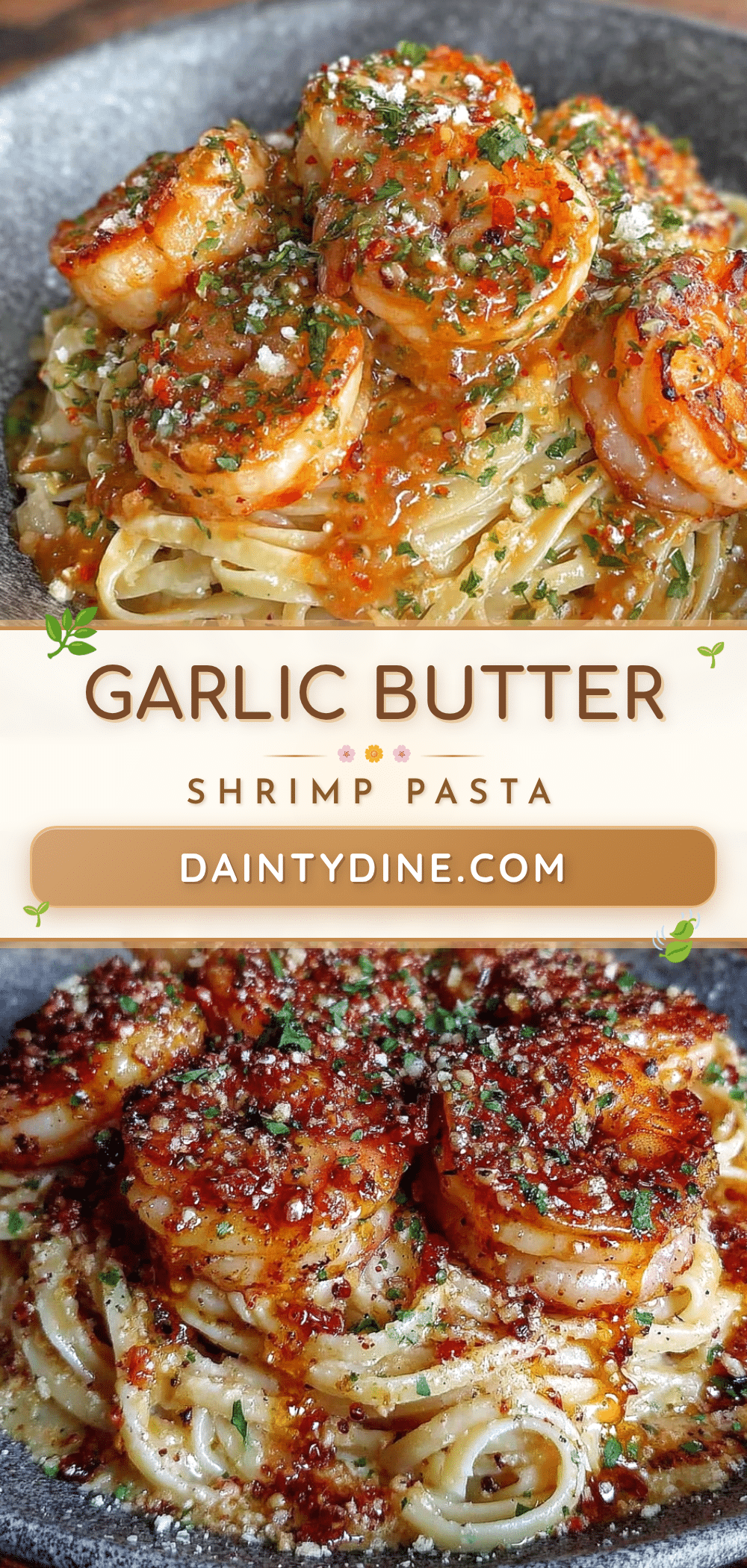
Easy 15-Minute Garlic Butter Shrimp Pasta
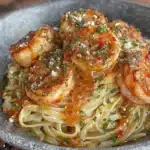
Perfectly seared shrimp, nutty browned butter, and just enough garlic come together in this quick and easy pasta dish that’s ready in 15 minutes. It’s a crowd-pleaser that even self-proclaimed pasta haters love.
- Prep Time: 5 minutes
- Cook Time: 10 minutes
- Total Time: 15 minutes
- Yield: 4 servings 1x
- Category: Main Course
- Cuisine: Italian
Ingredients
- 8 ounces spaghetti or linguine
- 1 pound large shrimp, peeled and deveined (21–25 count per pound)
- 4 tablespoons unsalted butter
- 5 cloves garlic, minced
- 1/2 teaspoon red pepper flakes (optional)
- 1/2 cup reserved pasta water
- 1/4 cup fresh lemon juice (about 1 lemon)
- 1/4 cup fresh parsley, chopped
- Salt and black pepper to taste
- Grated Parmesan cheese for serving (optional)
Instructions
- Bring a large pot of salted water to a boil. Pat shrimp dry with paper towels.
- Cook pasta according to package directions until al dente, reserving 1 cup of pasta water before draining.
- While pasta cooks, season shrimp with 1/2 teaspoon salt, 1/4 teaspoon black pepper, and a pinch of red pepper flakes if using.
- Melt 2 tablespoons butter in a large skillet over medium-high heat until foaming and lightly browned, about 2-3 minutes.
- Add shrimp in a single layer and cook undisturbed for 2 minutes. Flip and cook for another 1-2 minutes until pink and opaque. Transfer to a plate.
- Reduce heat to medium, add remaining 2 tablespoons butter, then add minced garlic and cook for 30-60 seconds until fragrant.
- Add 1/2 cup reserved pasta water and lemon juice. Stir, scraping up brown bits, and simmer for about 1 minute until slightly reduced.
- Add drained pasta to the skillet and toss with tongs. Add more pasta water if needed to reach desired consistency.
- Return shrimp to the pan and toss gently. Adjust seasoning with salt and pepper.
- Remove from heat, stir in fresh parsley, and serve immediately with lemon wedges and Parmesan cheese.
Notes
Don’t overcook the shrimp; they should curl into a loose C-shape. Save more pasta water than you think you need. Let the butter brown properly for nutty flavor. Taste as you go. Time your cooking carefully for the 15-minute timeline.
Nutrition
- Serving Size: 1 serving
- Calories: 485
- Sodium: 680
- Fat: 18
- Saturated Fat: 10
- Carbohydrates: 48
- Fiber: 3
- Protein: 32
Keywords: garlic butter shrimp pasta, easy pasta recipe, 15 minute dinner, weeknight dinner, shrimp pasta, garlic butter sauce