Love this? Save it for later!
Share the inspiration with your friends
Introduction
“You won’t believe how much flavor I got out of that sad little veggie roast,” I told my friend last Thursday, half laughing because honestly, I was just as surprised as she was. It all started when I was rummaging through my pantry, trying to whip up dinner after a long day, but honestly, I was short on time and ideas. I grabbed what I had—some carrots, a few spices, a splash of olive oil—and decided to experiment. No fancy ingredients, no complicated steps, just a few simple swaps and tricks I’d picked up over years of trial, error, and the occasional happy accident.
Maybe you’ve been there, staring down at a recipe that sounds good but somehow ends up bland or overly complicated. Well, this story isn’t about a single dish but about how you can make any recipe tastier while keeping it healthy and straightforward. I’m talking about practical tips that don’t ask for hours in the kitchen or a trip to a specialty store. These are the little things I wish someone had told me years ago—things that bring out the best in your food without sacrificing flavor or your health goals.
So, whether you’re juggling work and family, figuring out how to make weeknight dinners exciting again, or just tired of recipes that feel like a chore, this collection of healthy tips is for you. Let me tell you, these tricks have saved many rushed dinners and turned simple meals into something memorable. And trust me, if I can do it with a cracked mixing bowl and a missing measuring cup, so can you.
Why You’ll Love This Recipe
Honestly, making food taste great without loading it with salt, sugar, or fat felt impossible at first. But after testing these tips over dozens of meals, I can confidently say they work wonders—and fast. Here’s why you’ll appreciate these healthy tips to make any recipe tastier without losing flavor:
- Quick & Easy: Most tweaks take less than 5 extra minutes, perfect for those busy nights when time is tight.
- Simple Ingredients: No weird or expensive add-ons—just pantry staples and fresh options you probably already have.
- Perfect for Every Meal: Whether it’s breakfast smoothies, weeknight dinners, or weekend baking, these techniques adapt to all recipes.
- Crowd-Pleaser: These tips help bring out natural flavors that even picky eaters notice and love.
- Unbelievably Delicious: You’d swear there’s some secret ingredient behind the scenes, but really it’s all about smart choices and timing.
What makes these tips different? It’s the focus on balancing flavor and nutrition without complicated steps. For example, using acid like lemon or vinegar at the right moment can brighten dishes instantly. Or swapping out heavy cream for blended silken tofu keeps things creamy without the guilt. These aren’t just healthy hacks—they’re flavor hacks that make you want to keep cooking and experimenting. Honestly, this approach changed how I think about healthy cooking, turning it from “diet food” to genuinely tasty food that wakes up your palate.
What Ingredients You Will Need
This guide isn’t about a fixed list of ingredients but rather smart choices you can make within your existing recipes. Here’s a quick rundown of versatile pantry and fresh ingredients that help boost flavor while keeping meals healthy.
- Fresh herbs: Parsley, cilantro, basil, and dill (adds brightness and freshness to almost anything)
- Citrus: Lemons, limes, and oranges (zest and juice bring acidity that livens up dishes)
- Spices: Smoked paprika, cumin, cinnamon, chili flakes (choose whole spices when possible for better flavor)
- Garlic and ginger: Fresh or frozen (foundations for savory depth)
- Healthy fats: Extra virgin olive oil, avocado oil, nut butters (adds richness and mouthfeel without heaviness)
- Natural sweeteners: Honey, maple syrup, ripe fruit purees (used sparingly for balance)
- Umami boosters: Nutritional yeast, miso paste, sun-dried tomatoes (provide savory depth without salt overload)
- Low-sodium broths: Vegetable or chicken (great for cooking grains or simmering veggies)
- Whole grains and legumes: Quinoa, brown rice, lentils (add texture and nutrition)
- Fresh produce: Seasonal veggies and fruits (always the star—buy what’s fresh and local when you can)
When selecting ingredients, I usually stick to trusted brands like Bob’s Red Mill for grains and Frontier Co-op for spices. If you’re after gluten-free options, almond flour or oat flour work wonders as substitutes in baking. For dairy-free alternatives, coconut yogurt or cashew cream can replace heavier creams without losing creaminess. And don’t stress if you don’t have something—many of these ingredients can be swapped based on what’s in your kitchen.
Equipment Needed
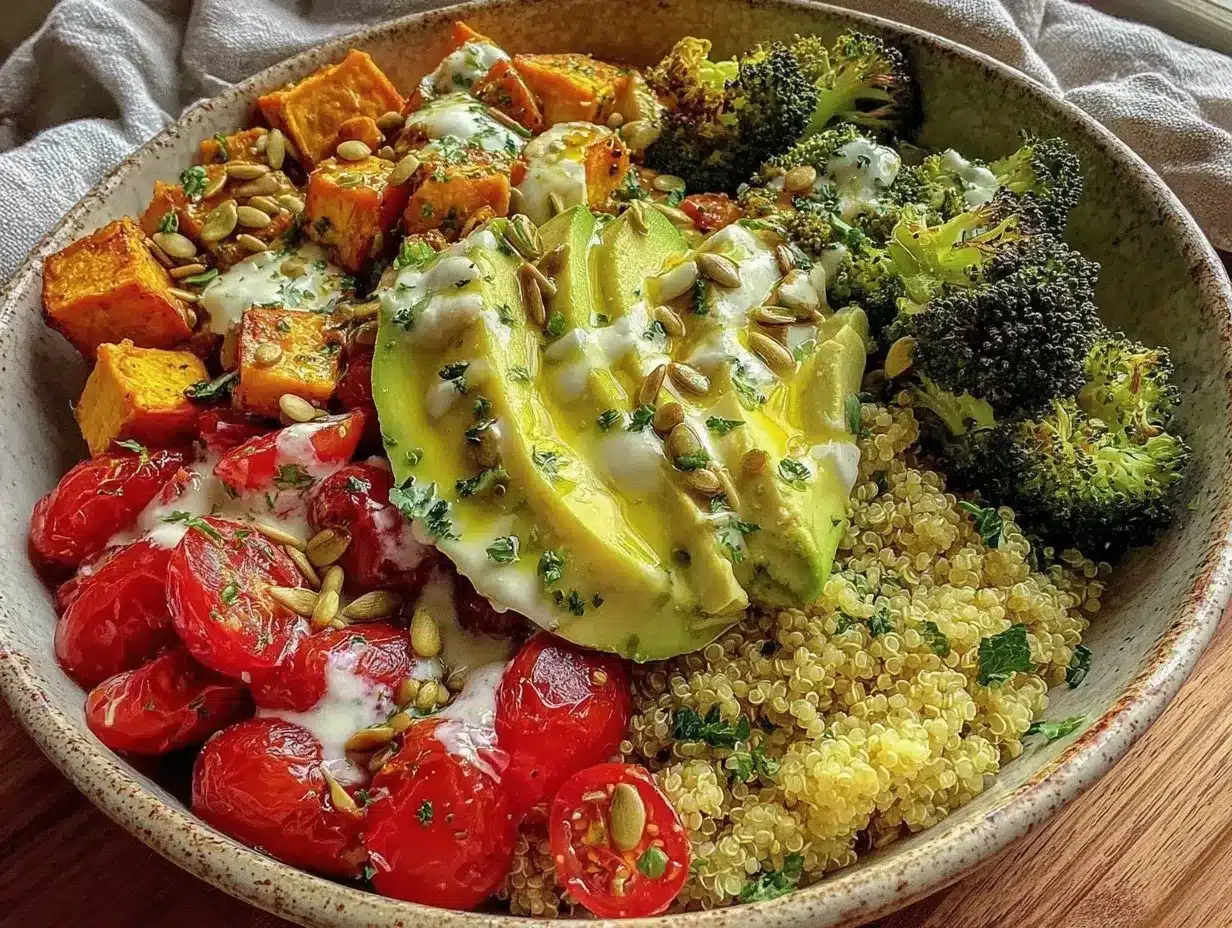
You won’t need anything fancy for these tips, just the basics you probably already own. Here’s a quick list:
- Sharp chef’s knife (a good one makes chopping herbs and garlic so much easier)
- Cutting board
- Mixing bowls in various sizes
- Measuring cups and spoons (or just eyeball—it’s okay to be a bit flexible!)
- Non-stick skillet or sauté pan
- Small whisk or fork (for mixing dressings or beating eggs)
- Microplane or fine grater (perfect for zesting citrus and grating fresh ginger)
If you want to get fancy, a blender or food processor helps when making sauces or creamy dressings, but honestly, a good whisk and bowl can do most jobs. I once forgot my blender on a camping trip and had to improvise with a fork and a jar—it worked just fine. For budget-friendly options, look for secondhand or basic brands; good knives and pans don’t have to break the bank but really improve cooking ease.
Preparation Method
- Start by prepping fresh ingredients: Wash and roughly chop herbs, zest citrus, and mince garlic or ginger. This groundwork sets the stage for flavor. (5-7 minutes)
- Toast your spices: In a dry skillet over medium heat, toast whole or ground spices for 1-2 minutes until fragrant. This simple step unlocks their full aroma. Be careful not to burn—stir constantly. (2 minutes)
- Layer acidity thoughtfully: Add lemon or vinegar juice at the end of cooking—or as a finishing touch—to brighten flavors. Adding acid too early can dull taste or curdle dairy. (Timing: last 1-2 minutes or after plating)
- Use umami enhancers sparingly: Stir in a teaspoon of miso paste dissolved in warm water or sprinkle nutritional yeast over veggies or grains. These add savory depth especially in vegetarian dishes. (1-2 minutes)
- Choose healthy fats carefully: Drizzle extra virgin olive oil or a nut butter-based dressing to enrich texture and mouthfeel without heaviness. Add at the end of cooking or as a topping. (1-2 minutes)
- Cook grains or legumes in low-sodium broth: Swap water for broth to infuse subtle flavor without extra salt. (Cook according to package instructions, usually 15-40 minutes)
- Use sweeteners sparingly: A touch of honey or maple syrup can balance acidity and bitterness in dressings or sauces. Start with ½ teaspoon and adjust to taste. (1 minute)
- Combine textures for interest: Add toasted nuts, seeds, or crispy shallots as a topping to contrast with creamy or soft elements. (2-3 minutes)
- Taste and adjust seasonings: This last step is crucial. Taste your dish for salt, acid, and spice balance. Don’t be afraid to tweak—sometimes a little more lemon or a pinch more chili flakes makes all the difference. (2-3 minutes)
When I first tried these steps, I was skeptical about the acid timing—it felt odd to add lemon last. But once I did, the whole dish felt brighter and fresher. You know that little zing that wakes up your taste buds? Exactly. Also, trust your nose and eyes: if spices smell burnt, start over; if herbs lose color, add them later. Little cues like these make cooking less guesswork and more confidence.
Cooking Tips & Techniques
Here are some pearls of wisdom from my kitchen experiments that help keep flavor high and health in check:
- Don’t overcook herbs: Fresh herbs like basil and cilantro lose their charm if cooked too long. Add them at the end for maximum impact.
- Layer flavors: Instead of dumping all seasoning at once, add in stages—start with spices, then adjust salt, then finish with acid or fresh herbs. This builds complexity.
- Use salt wisely: Salt is flavor’s best friend but can sneak in excess sodium. Use kosher salt for better control and sprinkle gradually, tasting as you go.
- Toast nuts and seeds: This simple trick brings out their oils and crunch. I once skipped this step and the dish felt flat—lesson learned!
- Multitask with cooking: While grains simmer, prep your sauce and veggies. This keeps things moving and dinner on time.
- Don’t be afraid to taste constantly: I sometimes sneak a bite while cooking—it’s the quickest way to catch missing flavors before plating.
- Rest dishes briefly: Letting stews or roasted veggies sit 5-10 minutes before serving deepens flavor as ingredients mingle.
My biggest mistake was often rushing the seasoning step. I used to think salt and spice could be added all at once, but that ended up masking the natural flavor of ingredients. Now, I pace myself and taste between additions. It’s like giving your dish room to breathe and show off.
Variations & Adaptations
These tips work like a charm regardless of your diet or preferences. Here are a few ways to tweak them:
- For gluten-free cooking: Swap regular breadcrumbs with almond flour or crushed gluten-free crackers for crispy toppings.
- Seasonal twists: In summer, add fresh tomatoes and basil to brighten dishes; in fall, swap in roasted squash and cinnamon for warmth.
- Flavor customization: For a spicy kick, add fresh chili or cayenne; for sweetness, try grated apple or pear in savory dishes.
- Dairy-free adaptations: Use coconut yogurt or blended cashews as creamy bases instead of dairy cream or sour cream.
- Personal favorite variation: I love adding a splash of tamari sauce with toasted sesame oil to veggies for an Asian-inspired umami boost—totally changes the vibe without extra calories.
These flexible tips mean you can make any recipe your own while keeping it vibrant and nourishing.
Serving & Storage Suggestions
Serve dishes fresh and vibrant, ideally warm or at room temperature depending on the recipe. For example, a salad with these flavor tips shines best chilled but dressed just before serving to keep leaves crisp. For roasted veggies or grains, a warm plate enhances comfort.
Complement your meal with simple sides like a crisp green salad, crusty whole-grain bread, or a light soup to balance textures and flavors. A chilled white wine or sparkling water with citrus also pairs nicely for an extra touch.
Store leftovers in airtight containers in the refrigerator for up to 3 days. When reheating, add a squeeze of lemon or a sprinkle of fresh herbs to revive flavors that may have mellowed. For soups or stews, flavors often deepen after a day or two, making them perfect for meal prep.
Nutritional Information & Benefits
These healthy tips support balanced nutrition by encouraging fresh ingredients, less added salt and sugar, and mindful use of fats. The emphasis on herbs, spices, and acids helps reduce sodium while boosting antioxidants and vitamins.
Using whole grains and legumes increases fiber intake, helping digestion and sustained energy. Incorporating healthy fats like olive oil supports heart health, while natural sweeteners provide gentle sugar alternatives.
Most dishes prepared with these tips are naturally gluten-free and can be adapted for vegan or dairy-free diets easily. Just swap as needed, and you’re good to go!
Conclusion
Making your meals tastier without sacrificing health doesn’t have to be complicated or time-consuming. These simple tips and tricks have transformed my cooking and can do the same for yours. The joy of food is in flavor and nourishment, and with a little practice, you’ll find your favorite recipes tasting better and feeling lighter.
Remember, cooking is personal—feel free to tweak these ideas to suit your palate and lifestyle. I hope these tips inspire you to enjoy every bite and get creative in your kitchen.
If you try these out, I’d love to hear how it went—share your experiences or questions in the comments below. Here’s to flavorful, healthy cooking made easy!
FAQs
How can I add flavor without using too much salt?
Try using fresh herbs, citrus juice, spices, and umami-rich ingredients like miso or nutritional yeast. These add depth and brightness without the need for extra salt.
What’s the best way to use acid in cooking?
Add lemon juice or vinegar at the end of cooking or just before serving to brighten flavors. Adding acid too early can sometimes dull or curdle ingredients.
Can these tips work for baking as well as savory dishes?
Absolutely! Using natural sweeteners, spices like cinnamon, and fresh fruit purees can boost flavor in baked goods while keeping them healthier.
How do I keep fresh herbs from wilting during cooking?
Add delicate herbs like basil or cilantro at the very end of cooking or as a garnish to preserve their flavor and color.
Are there quick swaps for creamy ingredients that are healthier?
Yes! Blended silken tofu, cashew cream, or coconut yogurt are great dairy-free, lower-fat alternatives that keep dishes creamy and delicious.
Pin This Recipe!
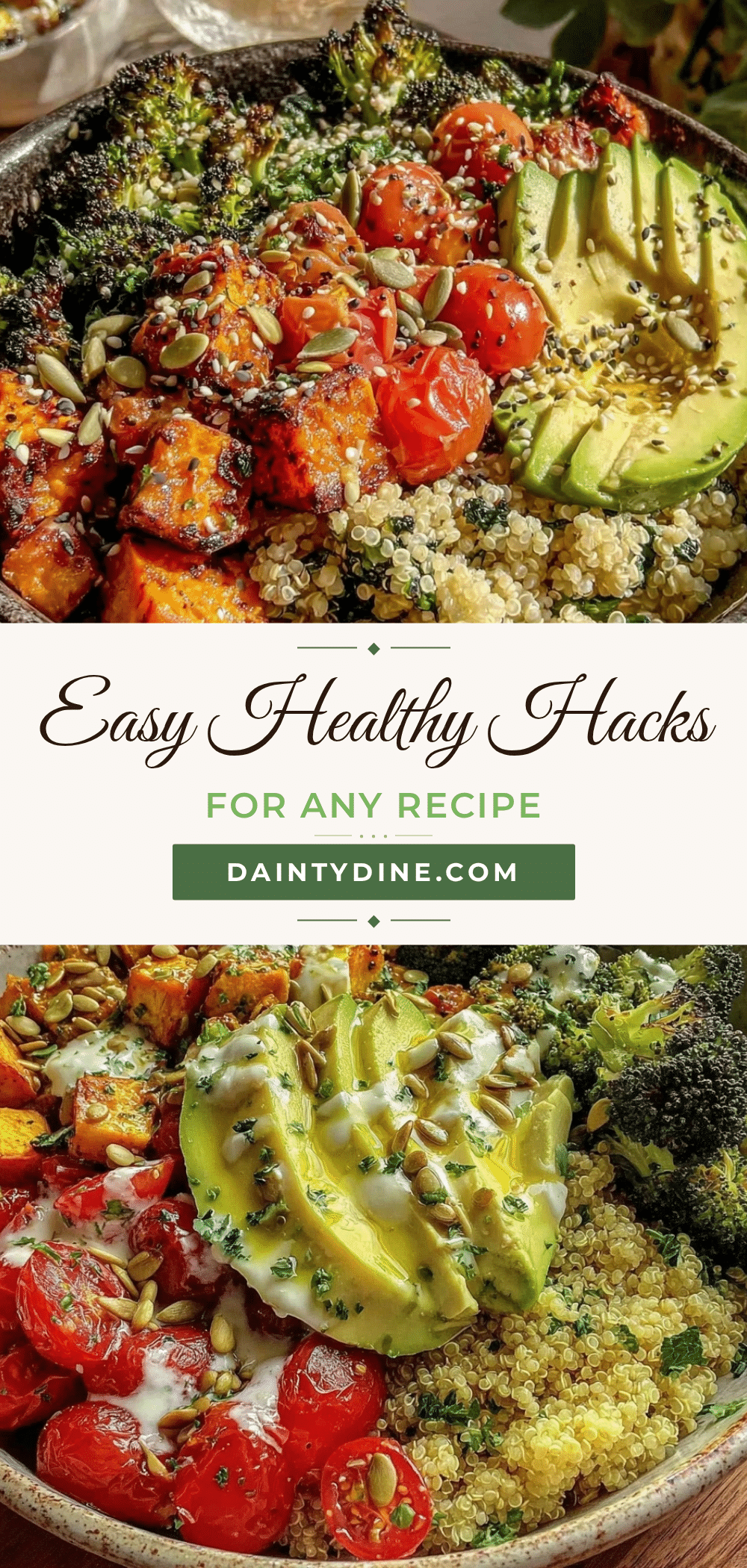
Healthy Tips to Make Any Recipe Tastier Without Losing Flavor Fast

A collection of practical and healthy cooking tips that enhance flavor quickly and easily without sacrificing nutrition or requiring complicated steps.
- Prep Time: 10 minutes
- Cook Time: 20 minutes
- Total Time: 30 minutes
- Yield: Varies depending on recipe
- Category: Cooking Tips
- Cuisine: Universal
Ingredients
- Fresh herbs: parsley, cilantro, basil, dill
- Citrus: lemons, limes, oranges (zest and juice)
- Spices: smoked paprika, cumin, cinnamon, chili flakes
- Garlic and ginger (fresh or frozen)
- Healthy fats: extra virgin olive oil, avocado oil, nut butters
- Natural sweeteners: honey, maple syrup, ripe fruit purees
- Umami boosters: nutritional yeast, miso paste, sun-dried tomatoes
- Low-sodium broths: vegetable or chicken
- Whole grains and legumes: quinoa, brown rice, lentils
- Fresh produce: seasonal vegetables and fruits
Instructions
- Start by prepping fresh ingredients: wash and roughly chop herbs, zest citrus, and mince garlic or ginger. (5-7 minutes)
- Toast your spices in a dry skillet over medium heat for 1-2 minutes until fragrant, stirring constantly to avoid burning. (2 minutes)
- Add lemon or vinegar juice at the end of cooking or as a finishing touch to brighten flavors. (last 1-2 minutes or after plating)
- Use umami enhancers sparingly by stirring in a teaspoon of miso paste dissolved in warm water or sprinkling nutritional yeast over veggies or grains. (1-2 minutes)
- Drizzle extra virgin olive oil or nut butter-based dressing at the end of cooking or as a topping to enrich texture without heaviness. (1-2 minutes)
- Cook grains or legumes in low-sodium broth instead of water to infuse subtle flavor. (15-40 minutes depending on grain/legume)
- Use sweeteners sparingly by adding a touch of honey or maple syrup to balance acidity and bitterness in dressings or sauces. (1 minute)
- Add toasted nuts, seeds, or crispy shallots as a topping to combine textures and add interest. (2-3 minutes)
- Taste and adjust seasonings for salt, acid, and spice balance, adding more lemon or chili flakes as needed. (2-3 minutes)
Notes
Add acid (lemon or vinegar) at the end of cooking to brighten flavors without dulling or curdling. Toast spices carefully to unlock aroma but avoid burning. Use fresh herbs at the end to preserve color and flavor. Taste frequently and adjust seasonings gradually. Use umami boosters sparingly to enhance savory depth without excess salt.
Nutrition
- Serving Size: Varies depending on
Keywords: healthy cooking, flavor tips, quick cooking, easy recipes, low sodium, natural sweeteners, umami, fresh herbs, cooking hacks