Love this? Save it for later!
Share the inspiration with your friends
It was 10:47 PM on a random Tuesday, and I had a very specific, almost aggressive craving for something bright and sunny. You know that feeling when you need a hit of citrus so bad it’s practically a medical emergency? I was pacing the kitchen, opening and closing cabinets like a woman on a mission. I didn’t have the energy for a full-blown layer cake, and I certainly didn’t have the patience for a fussy lemon curd. But I had a bag of Meyer lemons sitting on the counter, looking at me with their weird, orange-tinted optimism. I also had a half-empty bag of poppy seeds from a batch of bagels I’d made months ago. Honestly, the idea of a loaf cake hit me like a lightning bolt. A quick bread. No mixer needed. Just a bowl, a whisk, and a desperate need for something that tasted like a vacation.
The first loaf came out a little… dense. Let’s be real, it was a hockey puck with a lemon glaze. But the flavor was there. That floral, less-acidic sweetness of the Meyer lemon was singing. So I tried again the next night (yes, I have a problem) and swapped the regular butter for melted coconut oil. The texture got tender. I added a splash of buttermilk I had hiding in the back of the fridge. Bingo. The crumb was soft, the top was crackly, and the lemon-poppy seed thing just worked. It wasn’t just good for a late-night experiment; it was genuinely good. It’s the kind of recipe that feels like a cheat code because you’re using one bowl and you’re done in under an hour. That first bite of the second loaf—warm, with the glaze melting into the cracks—is why I keep a stash of Meyer lemons all winter long. Maybe you’ve had a night like that, where only a specific flavor will do.
Why You’ll Love This Recipe
This isn’t just another lemon bread recipe. I tested this thing four times to get the balance of moisture and crumb just right. The Meyer lemon is the star here, and using it in both the batter and the glaze means you get that floral pop in every single bite. Here is why this one is a keeper:
- Quick & Easy: From bowl to oven in about 10 minutes. No stand mixer required. You just whisk wet ingredients into dry, pour, and bake. Perfect for a last-minute brunch contribution or a Tuesday night treat.
- Simple Ingredients: You likely have everything already. Flour, sugar, eggs, oil. The only “special” things are Meyer lemons and poppy seeds, but regular lemons work in a pinch (I’ll tell you how).
- Perfect for Gifting: This loaf looks fancy with that crackly top and glossy glaze. Wrap it in parchment and tie it with twine—instant hostess gift that gets rave reviews.
- Crowd-Pleaser: It’s not too sweet, not too tart. It hits that breakfast-dessert sweet spot that kids and adults both go for. I’ve seen people fight over the end piece.
- Unbelievably Tender: The secret is the buttermilk and oil combination. It stays moist for days, which is rare for a lemon loaf. It doesn’t dry out by the next morning.
What makes this different from the other lemon poppy seed loaves out there is the technique. I use the whole Meyer lemon zest—no wasting that fragrant skin—and I whisk the sugar with the zest first to release the oils. That little step makes the whole loaf taste like you candied the lemons yourself. It’s comfort food that feels fancy, but it’s actually the easiest thing you’ll bake all week.
What Ingredients You Will Need
This recipe relies on a few key players to deliver that bright, tender crumb. Most of these are standard baking staples, so you probably won’t need a special trip to the store. The Meyer lemons are the star, but I’ve included notes for using regular lemons too.
- All-purpose flour (1 ½ cups / 180g): The structure of the loaf. Spoon and level it into your measuring cup—don’t scoop directly from the bag or you’ll pack it down and get a dry loaf.
- Granulated sugar (¾ cup / 150g): Sweetness and tenderness. I like using organic cane sugar here, but standard white sugar works perfectly.
- Meyer lemons (2 large): You need the zest of both and the juice of one for the batter. Meyer lemons are sweeter and less acidic than regular Eureka lemons, with a floral, almost orange-blossom scent. If you can’t find them, use 1 regular lemon for zest and juice, plus 1 tablespoon of orange juice to mimic the sweetness.
- Poppy seeds (2 tablespoons / 18g): For that classic nutty crunch and visual pop. Make sure they’re fresh—stale poppy seeds can taste bitter. I like buying them from the bulk bin at my local co-op.
- Large eggs (2): Room temperature is best. They emulsify the batter better and create a lighter crumb. If you forgot to take them out, place them in a bowl of warm water for 5 minutes.
- Vegetable oil (⅓ cup / 80ml): This keeps the loaf incredibly moist. I use a neutral oil like avocado or grapeseed. You can use melted coconut oil for a slight tropical note.
- Buttermilk (½ cup / 120ml): The acid in the buttermilk tenderizes the gluten and reacts with the baking soda for lift. If you don’t have buttermilk, add 1 ½ teaspoons of lemon juice or vinegar to ½ cup of regular milk and let it sit for 5 minutes.
- Vanilla extract (1 teaspoon): Rounds out the citrus flavor and adds warmth. Use pure vanilla extract if you have it—imitation vanilla works in a pinch.
- Baking powder (1 ½ teaspoons): The main leavening agent. Check the expiration date! Old baking powder is the number one reason loaf cakes don’t rise properly.
- Salt (½ teaspoon): Balances the sweetness and enhances the lemon flavor. I use fine sea salt.
For the Glaze:
- Powdered sugar (1 cup / 120g): Sifted to avoid lumps. This creates that smooth, crackly top.
- Meyer lemon juice (2 tablespoons / 30ml): From the second lemon. This gives the glaze its tangy punch.
- Milk or cream (1 teaspoon, optional): Only if the glaze is too thick to drizzle. I sometimes skip this if the lemon juice is juicy enough.
Equipment Needed
You don’t need a fancy bakery setup for this one. Here’s what you’ll need to pull this off, plus a few tips from my own messy kitchen.
- 8×4-inch loaf pan: This is the standard size. If you use a 9×5-inch pan, your loaf will be shorter and bake faster. I love my glass loaf pan because I can see the browning on the sides.
- Parchment paper: A must for easy removal. Cut a strip that overhangs the long sides of the pan like a sling. You can also use a non-stick baking spray with flour.
- Mixing bowls (2): One large for the wet ingredients, one medium for the dry. I use a set of nesting glass bowls—they’re cheap and don’t hold smells.
- Microplane or fine zester: A regular box grater works, but a Microplane gets you that fluffy zest without the bitter white pith. It’s worth the ten bucks.
- Whisk: For combining the dry ingredients and for the glaze. A fork works in a pinch for the glaze.
- Rubber spatula: For folding the dry ingredients into the wet. A wooden spoon works too, but a spatula gets every bit of batter.
- Cooling rack: Essential for even cooling. If you don’t have one, you can balance the pan on two upside-down ramekins. I’ve done it.
One thing I learned the hard way: make sure your loaf pan is clean and dry before lining it. I once grabbed a slightly damp pan and the parchment slid around like a slip-n-slide. Total mess. Also, if you’re using a dark non-stick pan, reduce the oven temperature by 25°F to prevent the crust from burning before the center is done.
Preparation Method
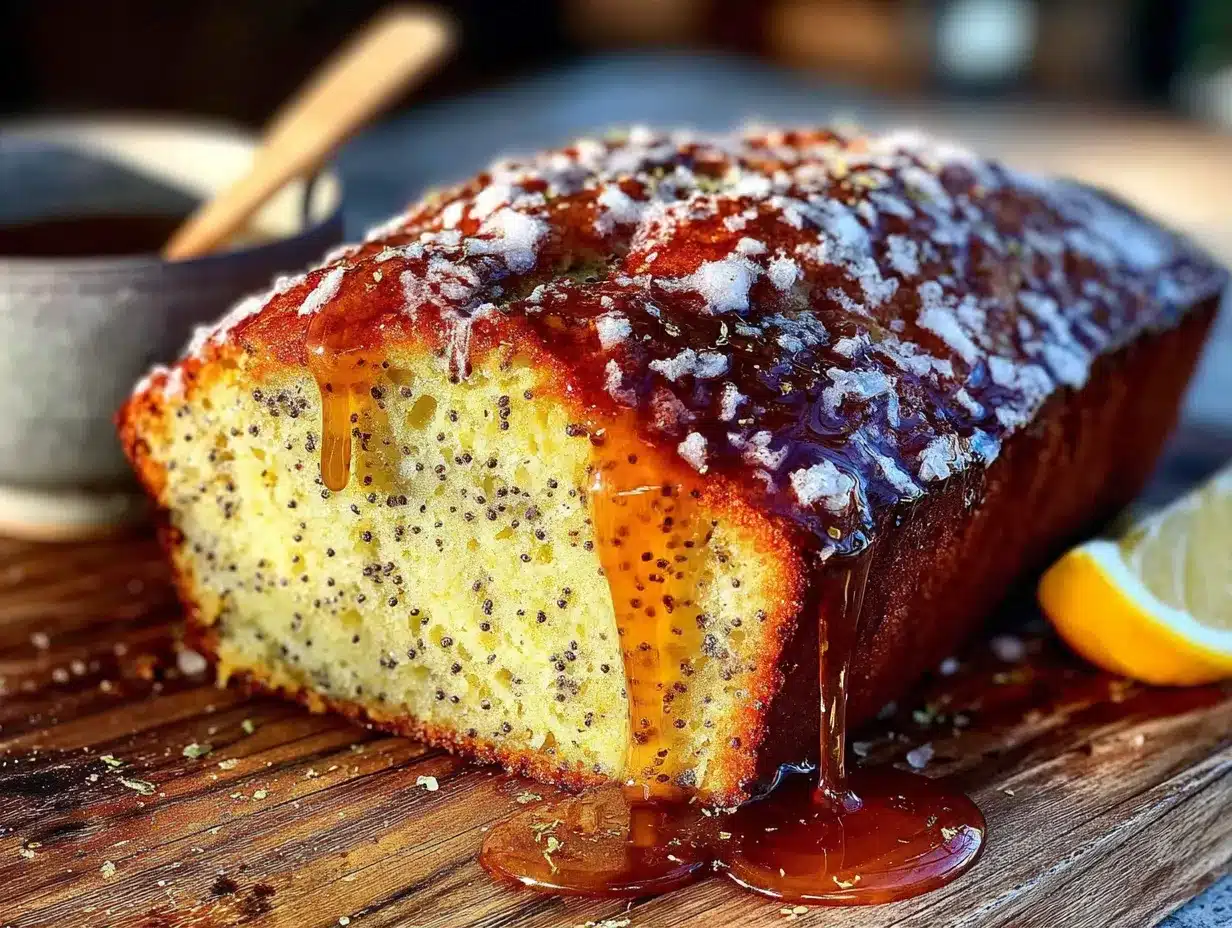
Let’s get to it. This comes together fast, so I like to have all my ingredients measured and ready before I start. It makes the whole process feel like a breeze.
- Preheat and prep the pan. Set your oven to 350°F (175°C). Line your 8×4-inch loaf pan with a strip of parchment paper, leaving an overhang on the two long sides. Lightly spray the exposed short sides with non-stick spray. This sling method makes lifting the loaf out a total dream.
- Zest and sugar rub. In your largest mixing bowl, add the ¾ cup of granulated sugar. Zest both Meyer lemons directly into the sugar. Use your fingertips to rub the zest into the sugar for about 30 seconds. Do this until the sugar turns pale yellow and smells intensely of lemon. This step releases the essential oils and is the secret to a deeply flavored loaf.
- Whisk the wet ingredients. Crack the 2 eggs into the lemon sugar. Whisk vigorously for a full minute until the mixture is pale, thick, and slightly foamy. Pour in the ⅓ cup of vegetable oil, the ½ cup of buttermilk, and the 1 teaspoon of vanilla. Whisk again until everything is smooth and emulsified. It should look like a thin, creamy custard.
- Combine the dry ingredients. In a separate medium bowl, whisk together the 1 ½ cups of all-purpose flour, the 1 ½ teaspoons of baking powder, the ½ teaspoon of salt, and the 2 tablespoons of poppy seeds. Whisking aerates the flour and distributes the leavening agents evenly—don’t skip this.
- Fold the batter. Pour the dry ingredients into the bowl of wet ingredients. Use your rubber spatula to fold gently. The motion is like you’re turning a book page—cut down through the center, scrape the bottom, and fold over. Stop as soon as you see the last streak of flour disappear. A few tiny lumps are fine; over-mixing will make the loaf tough.
- Pour and smooth. Scrape the batter into your prepared loaf pan. It will be thick and slightly shaggy. Use the spatula to spread it into the corners and smooth the top. Give the pan a gentle tap on the counter to release any air bubbles.
- Bake. Place the pan on the middle rack of your preheated oven. Bake for 45 to 55 minutes. At the 40-minute mark, check the loaf. If the top is browning too quickly, tent it loosely with a piece of aluminum foil. The loaf is done when a toothpick inserted into the center comes out with a few moist crumbs (not wet batter). The internal temperature should be around 200°F (93°C) if you want to be precise.
- Cool in the pan. Let the loaf cool in the pan on a wire rack for 15 minutes. This allows the structure to set so it doesn’t fall apart when you lift it out. After 15 minutes, use the parchment sling to lift the loaf out and transfer it directly to the cooling rack. Let it cool completely before glazing—about 1 hour. I know it’s hard to wait, but a warm loaf will absorb the glaze and get soggy.
- Make the glaze. While the loaf cools, make the glaze. In a small bowl, whisk together the 1 cup of sifted powdered sugar and 2 tablespoons of Meyer lemon juice. Start with 1 ½ tablespoons of juice and add more until you get a thick but pourable consistency. It should ribbon off the whisk.
- Glaze and set. Once the loaf is completely cool, place it on a serving plate. Pour the glaze over the center of the loaf. Use the back of a spoon to nudge it toward the edges, letting it drip down the sides. Let the glaze set for at least 15 minutes before slicing. The glaze will harden into that perfect crackly shell.
A quick note from personal experience: I once tried to rush the cooling process by putting the loaf in the fridge. Don’t do it. The condensation made the glaze slide right off and pool into a sticky mess on the plate. Patience is your friend here.
Cooking Tips & Techniques
I’ve made this loaf enough times to know where things can go sideways. Here are the lessons I learned so you don’t have to repeat my mistakes.
Don’t over-mix the batter. This is the most common mistake with quick breads. Once you add the flour, gluten starts developing. If you beat the batter like you’re angry at it, you’ll get a tough, dense loaf with a peaked, cracked top that looks like a volcano. Fold gently until just combined. A few lumps are fine—they’ll bake out.
Check your oven temperature. My old apartment oven ran 25°F hot. I burned the bottom of three loaves before I bought a cheap oven thermometer. Every oven is a liar. If your loaf is browning too fast on the outside but the center is still raw, your oven is too hot. Drop the temp by 25°F and bake a little longer.
The toothpick test is not foolproof. I once pulled a loaf that passed the toothpick test (clean stick!) only to find it was gummy in the center after cooling. The toothpick can hit a pocket of cooked batter and miss the gooey part. I now use a thin metal skewer and test in three spots: the center and two inches from each end. If the skewer comes out with wet batter, it needs more time.
Room temperature ingredients matter. I know it’s annoying, but cold eggs and cold buttermilk won’t emulsify properly with the oil. You’ll end up with a greasy, uneven crumb. Set your eggs and buttermilk on the counter 30 minutes before you start. If you’re in a rush, microwave the buttermilk for 15 seconds and place the eggs in a bowl of warm water.
Let it cool completely. I cannot stress this enough. The glaze needs a dry surface to adhere to. If the loaf is even slightly warm, the glaze will melt into a thin, sticky syrup that soaks into the top inch of the bread. It’s still delicious, but you lose that beautiful crackly shell. Give it the full hour.
Variations & Adaptations
This base recipe is a workhorse. Here are a few ways I’ve changed it up depending on the season or what’s in my pantry.
Gluten-Free Version: Swap the all-purpose flour for a 1:1 gluten-free baking flour blend that contains xanthan gum. I’ve had great results with Bob’s Red Mill 1-to-1 Baking Flour. The texture is slightly more delicate, so let it cool completely in the pan before lifting it out. You might need to add an extra tablespoon of buttermilk if the batter seems too stiff.
Vegan Adaptation: Replace the eggs with two flax eggs (2 tablespoons ground flaxseed mixed with 6 tablespoons water, left to gel for 10 minutes). Use a plant-based buttermilk by adding 1 ½ teaspoons of lemon juice to ½ cup of unsweetened oat or soy milk. Coconut oil works beautifully here as the fat. The loaf will be a tad denser but still incredibly moist and flavorful.
Blueberry Lemon Poppy Seed: This is my summer favorite. Fold ¾ cup of fresh or frozen (do not thaw) blueberries into the batter at the very end, right before you pour it into the pan. Toss the blueberries with a tablespoon of flour first to prevent them from sinking to the bottom. The burst of juicy berry against the lemon is pure magic.
Lavender Lemon: Add 1 teaspoon of dried culinary lavender buds to the sugar along with the lemon zest in step 2. The floral notes pair beautifully with the Meyer lemon. Just go easy—lavender can get soapy if you use too much. I made that mistake once and the loaf tasted like a fancy hand soap.
Poppy Seed Substitution: If you don’t have poppy seeds or you’re just not a fan, you can substitute ¼ cup of finely chopped almonds or pistachios. Toasted and cooled, they add a similar nutty crunch. You can also just leave them out entirely for a straight-up Meyer Lemon Loaf.
Serving & Storage Suggestions
This loaf is versatile. It works for breakfast, brunch, dessert, or a 3 PM snack with a cup of tea. Here’s how I like to serve it and keep it fresh.
Serving Temperature: Serve at room temperature. The crumb is soft and the glaze is crackly. If you want to gild the lily, warm a slice in the microwave for 12 seconds and serve with a dollop of Greek yogurt or a scoop of vanilla ice cream. The warm-cold contrast is incredible.
Presentation: For brunch, I slice the loaf on a wooden board and dust it with a little extra powdered sugar and a few fresh poppy seeds. I sometimes add a few thin lemon slices on the side for color. It looks like you spent way more effort than you did.
Complementary Drinks: A hot cup of Earl Grey tea or a cold glass of iced matcha latte is perfect. For a boozy brunch, a glass of Prosecco or a limoncello spritz is a no-brainer. The citrus notes play off each other beautifully.
Storage: Store the loaf (or slices) in an airtight container at room temperature for up to 4 days. Place a paper towel at the bottom of the container to absorb excess moisture, and another paper towel on top. Change the paper towel every other day. This keeps the crust from getting soggy.
Freezing: This loaf freezes like a dream. For best results, freeze it unglazed. Wrap the completely cooled loaf tightly in plastic wrap, then in a layer of aluminum foil. Freeze for up to 3 months. When you’re ready to serve, thaw overnight in the refrigerator, bring to room temperature, then make the glaze fresh and pour it on. The glaze does not freeze well—it gets weepy and loses its crackle.
Flavor Development: Honestly, this loaf tastes even better on day two. The lemon flavor mellows and deepens, and the crumb gets more tender. If you can resist eating it all on day one, you’re in for a treat on day two.
Nutritional Information & Benefits
While this is definitely a treat, there are a few bright spots in the ingredient list. Here’s a rough breakdown per slice (assuming 10 slices per loaf).
| Nutrient | Amount Per Slice |
|---|---|
| Calories | 285 |
| Total Fat | 11g |
| Saturated Fat | 2g |
| Carbohydrates | 42g |
| Fiber | 1g |
| Sugar | 26g |
| Protein | 4g |
Health Highlights: Meyer lemons are packed with vitamin C and antioxidants. The poppy seeds provide a tiny amount of calcium and fiber. Using oil instead of butter reduces the saturated fat content. If you’re watching your sugar, you can reduce the granulated sugar to ½ cup and the glaze will still work—just use a little less powdered sugar or add a squeeze of lemon juice to thin it.
Dietary Considerations: This recipe is nut-free and can be made dairy-free by using a plant-based buttermilk and oil. It contains gluten, eggs, and milk (if using traditional buttermilk), so it’s not suitable for vegan or gluten-free diets without the substitutions listed above. Always check your poppy seed packaging for potential cross-contamination if you have severe allergies.
I believe in balance. This loaf is a celebration of winter citrus, and I’d rather enjoy a real slice of this than a sad, dry “healthy” version. Food should make you happy.
Conclusion
This Quick Sunshine Meyer Lemon Poppy Seed Loaf is the kind of recipe that feels like a secret weapon. It’s deceptively simple—one bowl, a whisk, and less than an hour in the oven—but the result is a bakery-worthy loaf that tastes like you fussed for hours. The floral sweetness of the Meyer lemon, the delicate crunch of the poppy seeds, the crackly glaze that shatters when you bite into it. It’s pure comfort.
I love this recipe because it saved me on that late Tuesday night, and it’s saved me dozens of times since. It’s the answer to “I need to bring something to brunch tomorrow” and “I want a slice of something sweet but I don’t want to go to the store.” It’s forgiving, adaptable, and genuinely delicious.
Now I want to hear from you. Did you use Meyer lemons or regular? Did you try the blueberry version? Drop a comment below and let me know how it turned out. And if you loved it, share this recipe with a friend who needs a little sunshine in their kitchen. Happy baking!
Frequently Asked Questions
Can I use regular lemons instead of Meyer lemons?
Absolutely. Use 1 large regular lemon for the zest and juice in the batter. To mimic the sweetness of Meyer lemons, add 1 tablespoon of orange juice to the batter and reduce the buttermilk by 1 tablespoon. For the glaze, regular lemon juice works perfectly—it will just be a bit more tart and tangy.
Why did my loaf sink in the middle?
A sunken middle usually means the batter was over-mixed or the oven temperature was too low. Over-mixing develops too much gluten, which traps air that then collapses. Make sure your oven is fully preheated to 350°F and use an oven thermometer to verify accuracy. Also, don’t open the oven door for the first 30 minutes of baking.
Can I make this into muffins instead of a loaf?
Yes! This batter makes about 12 standard muffins. Line a muffin tin with paper liners and fill each cup about ¾ full. Bake at 350°F for 18 to 22 minutes, until a toothpick comes out clean. The glaze can be drizzled over the cooled muffins. Reduce the baking time by half and start checking at 15 minutes.
How do I know when the poppy seeds are fresh?
Fresh poppy seeds should have a nutty, slightly sweet smell. If they smell like paint thinner or have a bitter, chemical aroma, they are rancid and should be discarded. Store poppy seeds in the freezer in an airtight bag—they’ll stay fresh for up to a year. I keep mine in a mason jar in the freezer door.
Can I use a different type of oil?
Yes. A neutral oil like avocado, grapeseed, or canola is best. You can also use melted and cooled coconut oil for a subtle tropical flavor. Avoid strongly flavored oils like olive oil, as they will compete with the delicate lemon flavor. If using coconut oil, make sure your other ingredients are at room temperature so the oil doesn’t solidify into clumps.
Pin This Recipe!

Perfect Quick Meyer Lemon Poppy Seed Loaf

This one-bowl Meyer lemon poppy seed loaf is tender, bright, and topped with a crackly glaze. It’s quick to make, uses simple ingredients, and tastes like a bakery treat.
- Prep Time: 10 minutes
- Cook Time: 50 minutes
- Total Time: 1 hour 10 minutes
- Yield: 10 servings 1x
- Category: Dessert
- Cuisine: American
Ingredients
- 1 ½ cups (180g) all-purpose flour
- ¾ cup (150g) granulated sugar
- 2 large Meyer lemons (zest of both, juice of one for batter)
- 2 tablespoons (18g) poppy seeds
- 2 large eggs, room temperature
- ⅓ cup (80ml) vegetable oil (avocado or grapeseed)
- ½ cup (120ml) buttermilk, room temperature
- 1 teaspoon vanilla extract
- 1 ½ teaspoons baking powder
- ½ teaspoon fine sea salt
- For the glaze: 1 cup (120g) powdered sugar, sifted
- 2 tablespoons (30ml) Meyer lemon juice
- 1 teaspoon milk or cream (optional, for thinning)
Instructions
- Preheat oven to 350°F (175°C). Line an 8×4-inch loaf pan with parchment paper, leaving overhang on the long sides. Lightly spray exposed short sides with non-stick spray.
- In a large bowl, add sugar. Zest both Meyer lemons directly into the sugar. Rub zest into sugar with fingertips for 30 seconds until pale yellow and fragrant.
- Add eggs to lemon sugar. Whisk vigorously for 1 minute until pale, thick, and foamy. Add oil, buttermilk, and vanilla. Whisk until smooth and emulsified.
- In a medium bowl, whisk together flour, baking powder, salt, and poppy seeds.
- Pour dry ingredients into wet ingredients. Fold gently with a rubber spatula until just combined (a few lumps are fine). Do not over-mix.
- Scrape batter into prepared pan. Spread evenly and smooth top. Tap pan gently on counter to release air bubbles.
- Bake on middle rack for 45-55 minutes. At 40 minutes, tent with foil if browning too quickly. Loaf is done when toothpick inserted in center comes out with a few moist crumbs (internal temp ~200°F/93°C).
- Cool in pan on wire rack for 15 minutes. Use parchment sling to lift loaf out and transfer to rack. Cool completely (about 1 hour) before glazing.
- For glaze: In a small bowl, whisk together sifted powdered sugar and Meyer lemon juice until thick but pourable. Add milk/cream if needed.
- Pour glaze over cooled loaf. Use spoon to nudge toward edges, letting it drip down sides. Let set for 15 minutes before slicing.
Notes
Don’t over-mix the batter to avoid a dense loaf. Use room temperature ingredients for best emulsification. Cool completely before glazing to prevent soggy glaze. For regular lemons, use 1 large lemon plus 1 tbsp orange juice to mimic Meyer lemon sweetness. Store in airtight container at room temperature for up to 4 days. Freeze unglazed for up to 3 months.
Nutrition
- Serving Size: 1 slice
- Calories: 285
- Sugar: 26
- Sodium: 180
- Fat: 11
- Saturated Fat: 2
- Carbohydrates: 42
- Fiber: 1
- Protein: 4
Keywords: Meyer lemon, poppy seed, loaf cake, quick bread, lemon loaf, citrus, easy baking, one bowl